DIY Home Repair Guide: How to Fix Common Household Problems Safely
DIY Home Repair Guide: Fast Fixes for Common Household Problems Many everyday home issues look serious but have simple fixes you can handle yourself. From a...
In this article
Many everyday home issues look serious but have simple fixes you can handle yourself. From a dishwasher not draining to a toilet that keeps running, a clear process and basic safety can save time and money. This guide walks through practical DIY repair steps for the most common problems in kitchens, bathrooms, heating, cooling, and electrics.
You will learn how to fix low water pressure, how to unclog a kitchen sink, how to reset a circuit breaker, and how to fix WiFi router connection issues, along with other frequent faults. Keep a basic DIY repair safety checklist in mind as you work, and call a professional if anything seems unsafe or beyond your comfort level.
Start With Safety: DIY Repair Safety Checklist
Before you touch tools or appliances, think about safety first. Many home repairs involve electricity, hot water, gas, or sharp edges, so a simple checklist helps reduce risk.
Core safety habits for every DIY repair
Use this quick DIY repair safety checklist each time you start a job around the house. Most steps take only a minute but can prevent serious injury or damage.
- Turn off power at the breaker before working on outlets, lights, or appliances.
- Shut off water at local valves before fixing taps, toilets, or hoses.
- Wear eye protection and gloves for any cutting, drilling, or hot water work.
- Use a stable ladder or step stool; never stand on chairs or boxes.
- Keep children and pets away from the work area.
- Stop at once if you smell gas, see burned wiring, or feel unsure.
If you ever feel out of your depth, do not push on just to finish. A short delay to get expert help is far better than causing a flood, fire, or injury.
Kitchen and Laundry Fixes: Drains, Water, and Appliances
Many kitchen and laundry problems start with clogs, stuck parts, or simple electrical issues. You can often solve these in minutes with a calm, step-by-step approach.
Dishwasher not draining: how to fix safely
If you find water sitting in the bottom, first unplug the dishwasher or switch off its breaker. Remove the lower rack and clear any food debris around the drain filter and cover. Take out the filter, rinse it under running water, and check the drain hole for blockages.
Next, inspect the drain hose under the sink for kinks or clogs. Make sure the hose loops up under the counter to prevent backflow from the sink. If the hose and filter are clear but the dishwasher still will not drain, the drain pump or check valve may have failed and need a technician.
Washing machine not spinning: how to fix
When a washing machine does not spin, start by opening the door and checking the load. An unbalanced or too-heavy load can stop the spin cycle. Redistribute clothes evenly and try a spin-only cycle. If the machine has a lid or door switch, make sure it clicks and closes firmly.
Clean the drain pump filter if your model has one, usually behind a small panel at the front. A clogged filter can prevent draining and spinning. If the drum still will not spin and you hear a humming motor, the drive belt, motor, or control board may be faulty and best left to a professional.
Dryer not heating: causes and fixes
For a dryer not heating, unplug the unit first. Clean the lint filter fully and check the vent hose for blockages or crushing. A clogged vent can stop heating and is also a fire risk. Make sure the dryer is set to a heat cycle, not air-only or fluff.
If the vent is clear and the dryer still blows cold air, a failed heating element, thermostat, or thermal fuse is likely. These parts are replaceable but often require opening panels and working near mains wiring, so many people choose to hire an appliance technician for this step.
Water Flow and Drainage: Sinks, Toilets, and Faucets
Water problems are some of the most common DIY jobs. Learning how to unclog a kitchen sink or how to fix a leaking faucet can prevent damage and wasted water.
How to unclog a kitchen sink
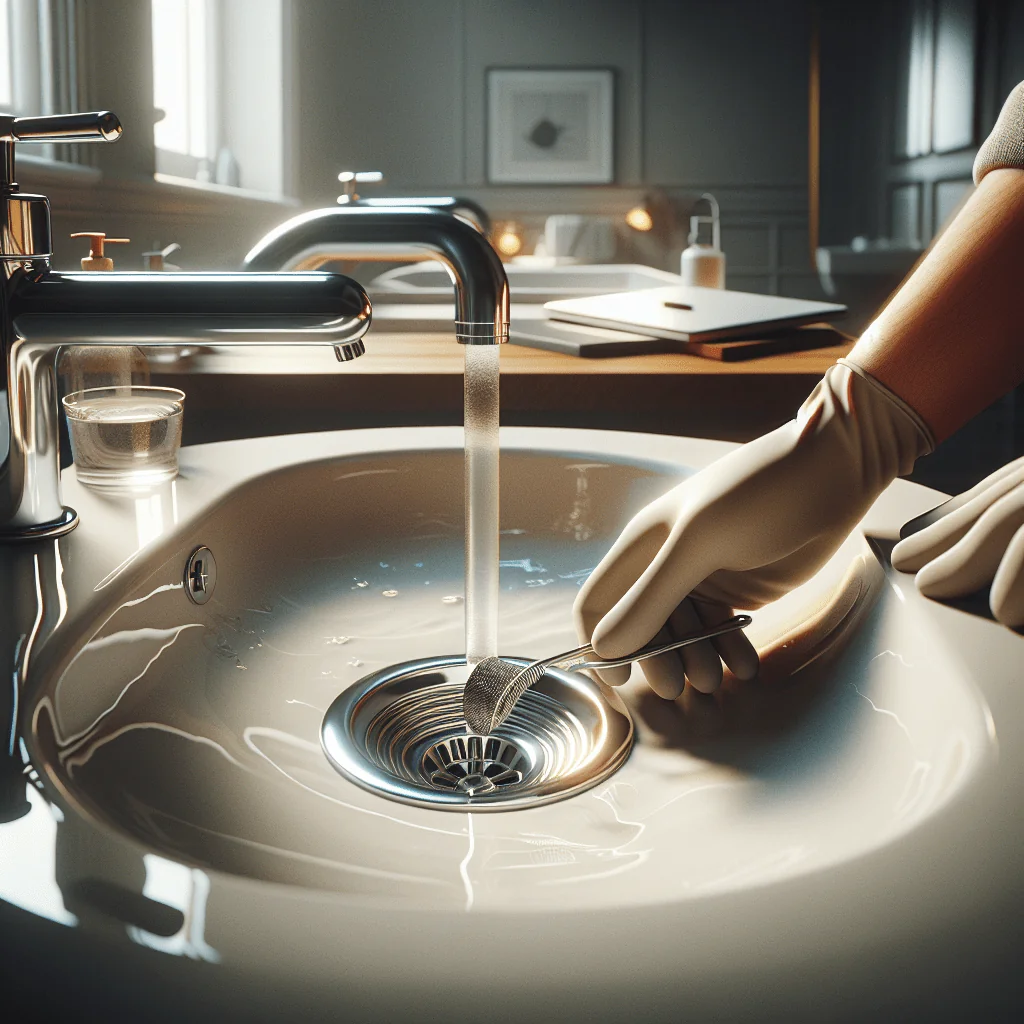
If water drains slowly or stands in the sink, do not pour harsh chemicals right away. First, remove standing water with a cup. Use a plunger over the drain while blocking any overflow holes with a wet cloth. Plunge with firm, steady strokes for 20–30 seconds and test the drain.
If that fails, place a bucket under the P-trap (the curved pipe under the sink). Loosen the slip nuts by hand or with pliers and remove the trap. Clear out any food, grease, or debris, then reassemble and test. If multiple drains are blocked, you may have a main line issue that needs a plumber.
How to fix low water pressure
Low water pressure often starts at one fixture. If only one tap is weak, unscrew the aerator at the spout and clean out grit or scale, then test again. For showers, remove the showerhead and soak it in vinegar to dissolve mineral buildup.
If the whole house has low pressure, check that the main shutoff valve is fully open. Look for leaks, damp spots, or constantly running toilets that may be wasting water. If pressure drops suddenly and stays low, contact your water supplier or a plumber to check for wider system problems.
Toilet keeps running: how to fix
A toilet that keeps running usually wastes a lot of water. Take off the tank lid and look inside. If water flows into the overflow tube, adjust the float lower so the fill valve shuts off earlier. Many modern floats have a simple screw or clip adjustment.
If the flapper at the bottom of the tank looks warped or does not seal, replace it with a matching type from a hardware store. Turn off the water at the valve, drain the tank by flushing, swap the flapper, and reconnect the chain so it has a little slack. Turn the water back on and test for leaks and proper shutoff.
How to fix a leaking faucet
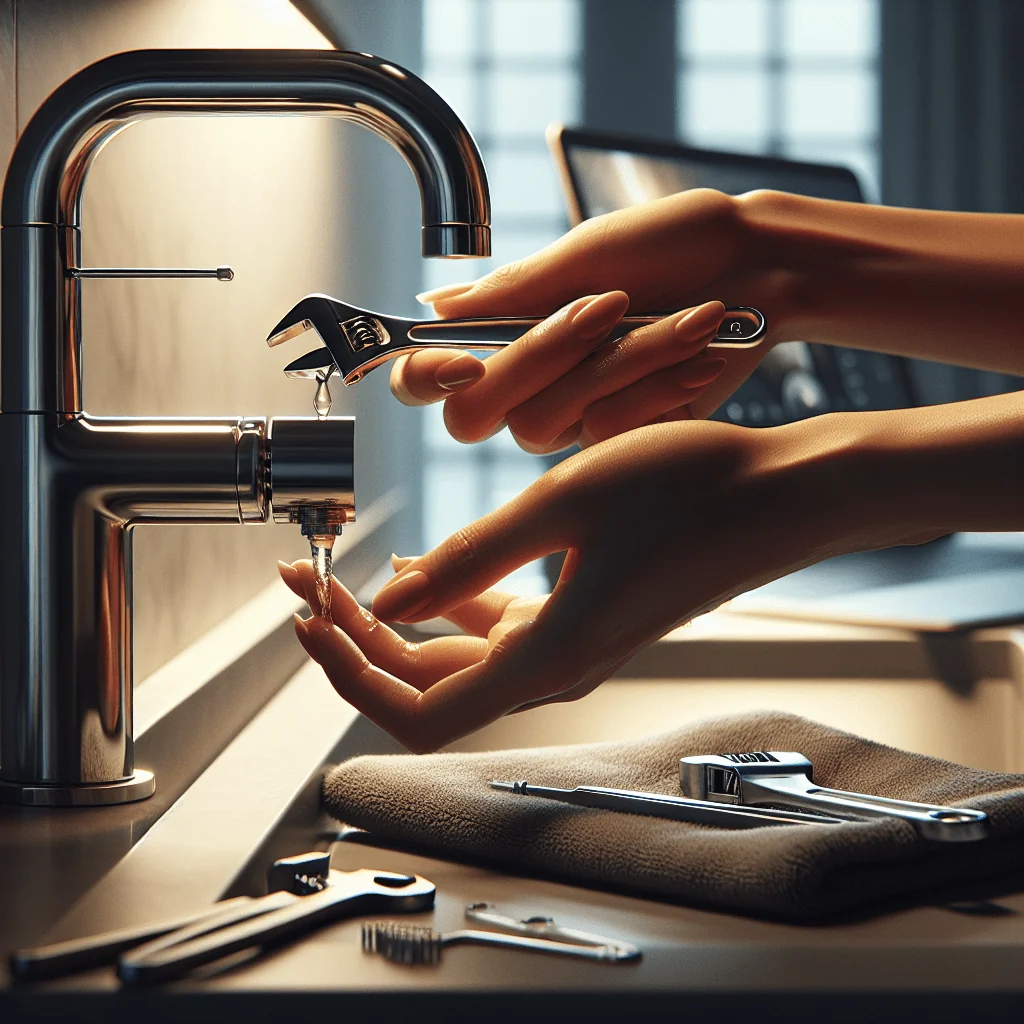
For a dripping tap, first turn off the water supply under the sink. Plug the drain so you do not lose small parts. Remove the handle using a small screwdriver or hex key, then take out the cartridge or stem, depending on the faucet type.
Inspect O-rings and rubber washers for wear or cracks. Replace worn parts with matching sizes and reassemble the faucet. If the body of the faucet is cracked or corroded, replacement of the whole unit is usually the better long-term fix.
Heating and Cooling: Radiators, Boilers, AC, and Water Heaters
Comfort in the home depends on steady heating and cooling. Many common faults, such as an AC not cooling or a radiator that feels cold, have simple first checks you can do safely.
How to bleed a radiator and restore heat
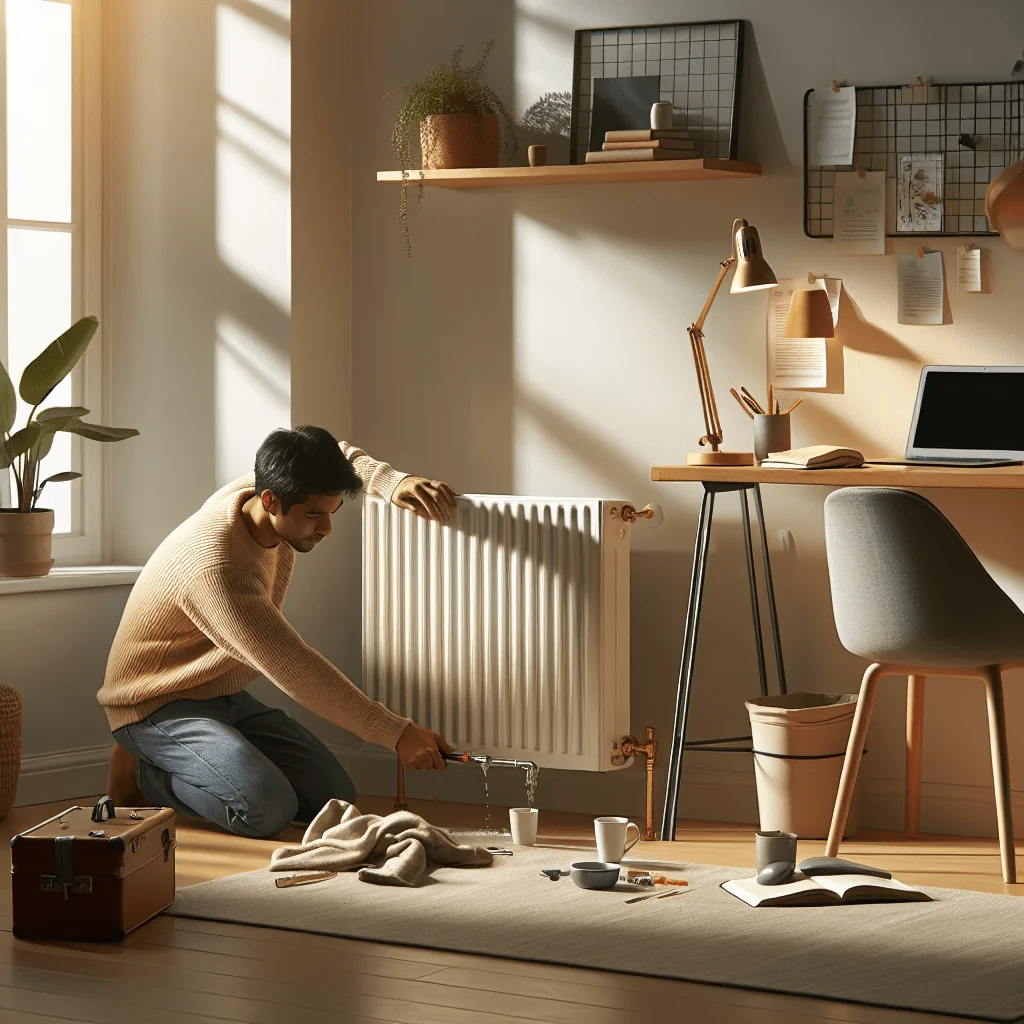
If a radiator is warm at the bottom but cold at the top, trapped air is likely. Turn off the heating and let the system cool slightly. Place a cloth and small tray under the bleed valve at the top corner of the radiator. Insert a radiator key or flat screwdriver into the valve.
Turn the valve slowly anti-clockwise until you hear hissing. Let air escape until a steady stream of water flows, then close the valve firmly but gently. Wipe away drips and check the boiler pressure gauge; top up if needed following the boiler instructions. Turn the heating back on and confirm the radiator now heats evenly.
Why is my boiler losing pressure?
A boiler losing pressure can come from frequent radiator bleeding, small leaks, or faulty parts. Check for damp spots under radiators, pipes, or the boiler itself. Look at the pressure gauge when the system is cold and again when hot; large swings may point to an expansion vessel problem.
If you must top up pressure often, or the boiler shows error codes, stop topping up and call a heating engineer. Constant low pressure can damage the boiler and is not a job to ignore.
Why is my water heater not heating?
For an electric water heater not heating, first check the circuit breaker and reset any tripped switch. Many units also have a reset button under a small access panel. Turn off power before opening panels, and replace any blown fuses only with the correct type.
For gas water heaters, make sure the gas supply is on and the pilot light is lit if your model uses one. If you smell gas or see soot or scorch marks, turn everything off and call a professional. Faulty thermostats, heating elements, or gas valves are best handled by trained technicians.
AC not cooling: basic troubleshooting
When an AC is not cooling, start with the simple items. Check the thermostat is set to cool and the temperature is lower than the room. Replace or clean the air filter; a clogged filter can almost stop cooling. Make sure outdoor units are clear of leaves, dirt, and obstructions.
If the system still blows warm air, frozen coils, low refrigerant, or compressor faults may be involved. These need specialist tools and training, so do not attempt to open sealed parts yourself.
Electrical Basics: Breakers, Outlets, and WiFi Routers
Electrical issues range from simple resets to serious hazards. Always think safety first and avoid opening live wiring. Many problems, though, are fixed by checking breakers and connections.
How to reset a circuit breaker
If part of the house loses power, go to the main breaker panel. Look for any breaker lever in the middle or “off” position. To reset, push the lever fully to off, then back to on with firm pressure. If the breaker trips again right away, unplug devices on that circuit and try once more.
Repeated tripping means a fault in wiring or an appliance. Do not keep resetting a breaker that will not stay on. Call an electrician to inspect the circuit for overloads, shorts, or damage.
Outlet not working: what to check
For an outlet not working, plug in a known-good lamp or phone charger to confirm the problem. Check the breaker panel for a tripped breaker. In kitchens, bathrooms, and garages, press the reset button on any nearby GFCI outlet, as it may control several sockets.
If the outlet is loose, scorched, or makes crackling sounds, stop using it at once. Do not remove the cover unless you are trained and the power is off. Faulty outlets can cause fire and should be replaced by a qualified person.
How to fix WiFi router connection issues
WiFi problems often come from simple glitches. First, unplug the router and modem, wait 20–30 seconds, then plug them back in and let them restart fully. Check that all cables are firmly connected and that status lights show a normal connection.
If some devices connect and others do not, forget the network on the problem device and reconnect using the correct password. Move the router to a central, open spot away from thick walls and metal objects. For repeated dropouts, update router firmware or contact your internet provider for line tests and further support.
Doors, Drawers, and Walls: Small Fixes With Big Impact
Minor annoyances like squeaks, stuck drawers, and wall damage are easy to fix with simple tools. These jobs are ideal for building DIY confidence.
How to fix a squeaky door
A squeaky door usually needs lubrication. Open and close the door to find which hinge squeaks. Place a cloth under the hinge to catch drips. Apply a few drops of light oil or silicone spray to the hinge pin and joints, then swing the door back and forth to work it in.
If the squeak remains, gently tap out the hinge pin with a small nail and hammer, coat it lightly with grease or oil, and reinstall it. Wipe off any excess to avoid staining the door or floor.
How to fix a stuck drawer
For a wooden drawer that sticks, remove the drawer fully and inspect the runners. Sand any swollen or rough spots lightly, then rub candle wax or a bar of soap along the runners and contact points. Reinsert the drawer and test the slide.
For metal slide drawers, clean dust and debris from the tracks and rollers. Check for bent parts and straighten them gently with pliers. A small amount of silicone spray on the slides can improve movement, but avoid heavy grease that attracts dirt.
How to patch a hole in drywall
Small nail holes patch easily with ready-mixed filler. Clean the area, press filler into the hole with a putty knife, let it dry, then sand smooth and repaint. For holes the size of a coin, use a self-adhesive patch or mesh tape over the hole before applying filler.
For larger holes, cut a neat square around the damage and fit a new piece of drywall screwed to a backing board. Tape the seams, apply joint compound in thin layers, sand smooth, and paint. Always wear a dust mask when sanding drywall.
Locks and Home Security: Simple Door Hardware Repairs
Door locks protect your home, so any repair must be done carefully. Many basic lock issues are mechanical and can be solved without changing keys.
How to replace a door lock
To replace a standard knob or lever lock, keep the door open and supported. Remove the interior handle screws and pull both sides of the handle off. Unscrew the faceplate on the door edge and slide out the latch mechanism. Take note of the backset length so the new lock lines up with the existing hole.
Install the new latch in the edge of the door, then fit the new handles through the latch and tighten the screws evenly. Check that the latch moves smoothly and that the door closes and locks without force. Adjust the strike plate on the frame if needed for a clean fit.
Quick Reference Table: Common Problems and First DIY Checks
This table summarizes frequent home problems with simple first checks you can safely try before calling a professional.
| Problem | Likely Cause | First DIY Check or Fix |
|---|---|---|
| Dishwasher not draining | Clogged filter or drain hose | Clean filter, clear debris, inspect hose for kinks or clogs |
| Washing machine not spinning | Unbalanced load or blocked pump filter | Redistribute clothes, clean pump filter, check lid/door switch |
| Dryer not heating | Clogged vent or failed heater | Clean lint filter and vent; if still cold, call technician |
| Refrigerator not cooling | Dirty coils or blocked airflow | Clean condenser coils, check door seals, avoid overfilling |
| Water heater not heating | Tripped breaker or faulty element | Reset breaker, press reset button; call pro if still cold |
| Toilet keeps running | High float or worn flapper | Adjust float level, replace flapper |
| Low water pressure | Clogged aerator or partly closed valve | Clean aerators, fully open shutoff valves |
| Outlet not working | Tripped breaker or GFCI | Reset breaker, press reset on nearby GFCI outlet |
| AC not cooling | Dirty filter or blocked outdoor unit | Replace filter, clear debris, check thermostat settings |
| WiFi connection issues | Router glitch or weak signal | Power-cycle router, move to central spot, reconnect devices |
Use these first checks as a starting point. If the problem continues after basic steps, or if you see signs of damage, leaks, or burning, stop and arrange professional help.
When to Call a Professional Instead of DIY
DIY repairs are great for simple, low-risk jobs, but some situations are too dangerous or complex. Knowing where to draw the line is part of being a smart homeowner.
Clear signs you should not continue DIY
Stop work and call a qualified professional if you smell gas, see scorch marks, or notice water leaking heavily from walls, ceilings, or major pipes. The same applies if a breaker will not reset, a boiler keeps losing pressure, or your water heater not heating is paired with strange noises or leaks.
Use DIY skills for safe, clear tasks like how to fix a squeaky door, how to patch a hole in drywall, or how to fix a stuck drawer. For gas lines, main electrical panels, structural work, or anything that feels beyond your comfort level, expert help is the safest choice.