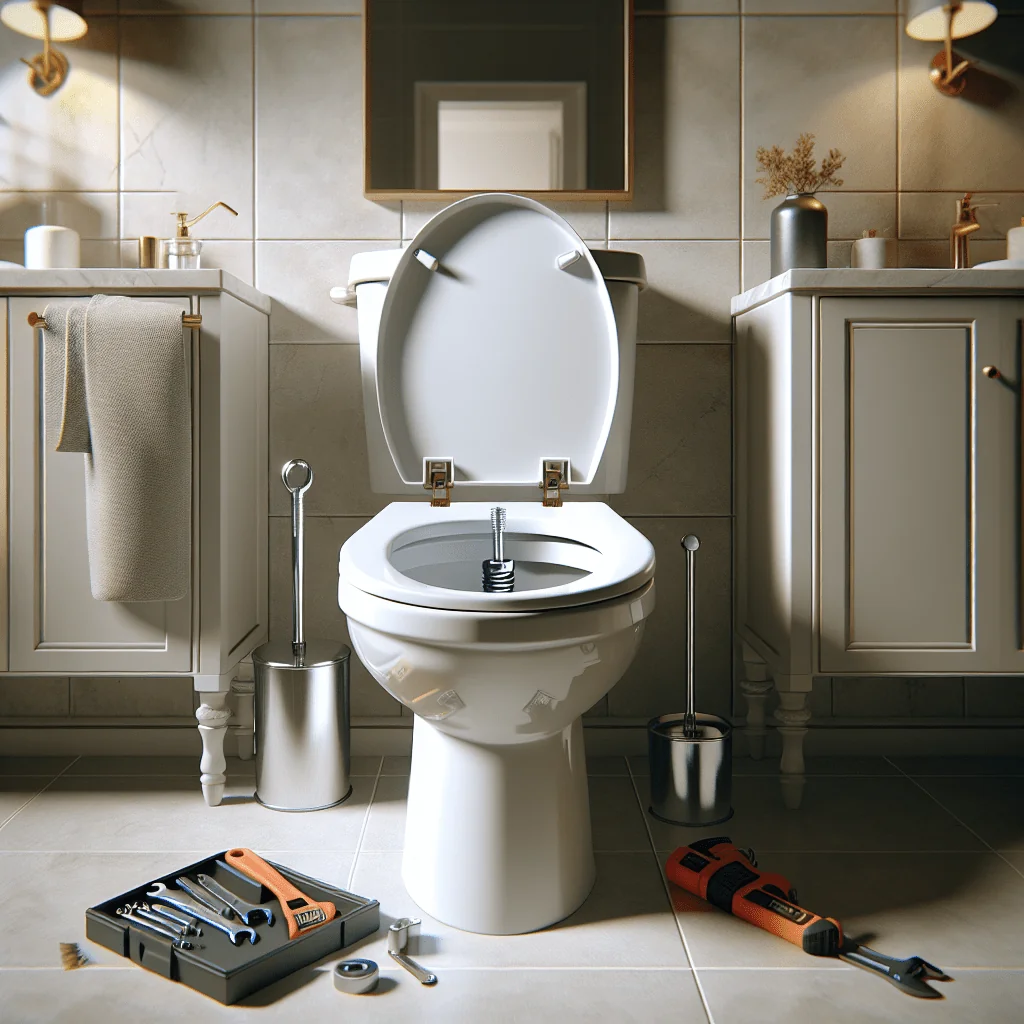

DIY Home Repair Tool Checklist: Essentials for Everyday Fixes
DIY Home Repair Tool Checklist A clear DIY home repair tool checklist helps you handle common problems without panic. With the right basic tools, you can deal...
A clear DIY home repair tool checklist helps you handle common problems without panic. With the right basic tools, you can deal with issues like a dishwasher not draining how to fix, a washing machine not spinning how to fix, a dryer not heating causes and fixes, or a refrigerator not cooling troubleshooting before you call a pro.
This guide walks through the tools you really need, why you need them, and which repairs they support. The focus is on everyday home fixes such as how to unclog a kitchen sink, how to fix low water pressure, toilet keeps running how to fix, how to fix a squeaky door, how to patch a hole in drywall, how to fix a stuck drawer, AC not cooling troubleshooting, why is my boiler losing pressure, how to fix WiFi router connection issues, how to replace a door lock, and a practical DIY repair safety checklist.
Safety First: Core Tools for a DIY Repair Safety Checklist
Before you think about wrenches and screwdrivers, you need basic safety gear. Many home repairs involve electricity, sharp edges, or hot water, so protect yourself first.
These safety items support tasks like how to reset a circuit breaker, checking an outlet not working what to check, or working around a water heater not heating.
- Safety glasses or goggles – For drilling, hammering, cutting, or patching drywall.
- Work gloves – For handling metal edges, hot parts, or rough wood.
- Dust mask or simple respirator – For sanding drywall or cleaning dusty vents.
- Hearing protection – For long drilling or hammering jobs.
- Non-contact voltage tester – To confirm power is off before touching wires or outlets.
- Flashlight or headlamp – For dark breaker panels, under-sink areas, or boiler corners.
Use these safety tools every time you work near electricity, moving parts, or hot water. A quick check with a voltage tester or a pair of gloves can prevent serious injury.
Hand Tools Every DIY Home Repair Tool Checklist Needs
Hand tools are the backbone of home repair. With a small set, you can handle many common issues, from a toilet that keeps running to a stuck drawer.
Choose solid, mid-range tools rather than the cheapest option. Good tools last longer and feel better in your hand, which makes repairs safer and easier.
Essential screwdrivers and pliers
Many home issues start and end with a single screw or clip. A small set of drivers and pliers covers most jobs.
For most DIY home repair tasks, keep these in your kit:
- Multi-bit screwdriver (Phillips and flathead) – For outlet covers, appliance panels, door hardware, and WiFi router mounts.
- Precision screwdriver set – For WiFi router casing, small electronics, and thermostat covers.
- Needle-nose pliers – For bending wires, pulling small parts, and reaching clips in tight spots.
- Slip-joint pliers – For general gripping and turning of small nuts or hoses.
These tools help with many tasks: removing outlet covers to check connections, opening a dryer access panel, or adjusting a door lock.
Hammers, levels, and cutting tools
Some repairs need a clean cut or a straight line rather than complex parts. A basic set of cutting and marking tools prepares you for drywall patches and door adjustments.
Key tools to include are a claw hammer, tape measure, torpedo level, utility knife, and putty knife. Together they help you mark, cut, and smooth surfaces for cleaner, longer-lasting repairs.
With these tools ready, you can hang doors, trim drywall patches, and line up shelves so they sit level and look neat.
Plumbing Tools for Leaks, Clogs, and Low Pressure
Many DIY calls start with water: a kitchen sink that will not drain, low water pressure, a leaking faucet, or a toilet that keeps running. A small plumbing kit helps you handle these before you call a plumber.
These tools also help you work safely near water heaters, boilers, and radiators, where valves and fittings matter.
Unclogging and leak repair basics
To unclog a kitchen sink or clear a slow drain, you only need a few simple tools. The same tools help you inspect and tighten leaking joints.
For most small plumbing jobs, include a cup plunger for sinks and tubs, a flange plunger for toilets, an adjustable wrench, a pipe wrench, plumber’s tape, and a bucket with old towels. This basic set supports everything from how to unclog a kitchen sink to how to fix low water pressure at a faucet.
These tools support jobs like how to fix a leaking faucet by tightening or resealing joints and by safely opening P-traps to clear clogs.
Tools for radiators, boilers, and water heaters
If you have a boiler or radiators, you will sometimes need to bleed air or check pressure. For water heaters, you may need to test valves or drain sediment.
Helpful additions include a radiator key for how to bleed a radiator, a pressure gauge if one is not built in, and a garden hose for draining a water heater tank or boiler system.
These tools help you troubleshoot why is my water heater not heating and why is my boiler losing pressure, so you can decide if a pro visit is needed.
Electrical and Power Tools for Breakers, Outlets, and WiFi Issues
Electrical problems can be serious, so always work with caution. A small set of electrical tools lets you safely reset a circuit breaker, check an outlet not working what to check, and improve WiFi reliability.
Never work on live wires. Always shut off power at the breaker and confirm with a tester before touching any conductors.
Basic electrical testing tools
Testing tools help you answer simple questions: Is power reaching this outlet? Is this breaker on? Is this surge strip dead?
Core items include a non-contact voltage tester, a plug-in outlet tester, and a digital multimeter. Together they help with outlet not working what to check, how to reset a circuit breaker, and some dryer not heating causes and fixes when the problem is power loss.
With these tools, you can test safely instead of guessing, which reduces the risk of shocks and avoids replacing parts that still work.
Power tools for faster DIY repairs
You can do many repairs with hand tools only, but a few power tools save time and effort. Use them carefully and follow safety steps.
Useful power tools include a cordless drill or driver, a drill bit set for different materials, and a stud finder. They support how to fix WiFi router connection issues by improving placement, and they help open panels for AC not cooling troubleshooting or dryer checks.
With these tools, you can reach hidden screws, mount hardware, and avoid drilling into wires or pipes behind walls.
Hardware for Doors, Drawers, and Squeaks
Doors and drawers move every day, so they wear out first. A few simple tools and supplies handle squeaks, misalignment, and stuck parts.
These tools also help with how to replace a door lock and how to fix a squeaky door without replacing the whole frame.
Door and lock repair tools
For basic door work, you do not need a full workshop. A small set of tools can handle most issues.
Include Phillips and flathead screwdrivers, an Allen key set, a silicone or graphite lubricant, wood shims, and a small chisel. With these items, you can tighten loose hinges, adjust strike plates, and handle how to replace a door lock.
These tools let you fix a squeaky door by cleaning and lubricating hinges, and they help you adjust doors that rub or do not latch well.
Drawer and cabinet repair tools
Stuck drawers are often due to misaligned slides, swollen wood, or loose screws. The fix is usually simple with the right tools.
Helpful items include a small screwdriver set, dry lubricant for wooden runners, and wood filler or glue for stripped screw holes. With these, you can handle how to fix a stuck drawer quickly.
After a short adjustment and lubrication, many drawers slide like new and stop jamming or scraping.
Supplies for Patching Drywall and Sealing Leaks
Some repairs need consumable supplies more than tools. For walls and small leaks, having the right materials on hand saves a trip to the store mid-repair.
These supplies support how to patch a hole in drywall and how to fix a leaking faucet or minor pipe drip.
Drywall repair kit essentials
To patch a hole in drywall cleanly, you need to cut, fill, and sand the area. A small set of supplies covers most small to medium holes.
Keep joint compound, drywall patch or mesh tape, sandpaper or a sanding sponge, and painter’s tape ready. This simple kit lets you handle nail pops, dents, and larger holes from door handles.
With a little practice, your wall repairs will blend in well once you repaint the area.
Sealants and tapes for small leaks
Some leaks are more about worn seals than broken parts. Sealants and tapes can give a lasting fix or a safe temporary one until a pro visit.
Useful items include plumber’s tape for threaded joints, silicone caulk for seams around sinks and tubs, and spare washers for faucet handles and spouts. These basics cover many how to fix a leaking faucet jobs.
Having these supplies ready helps you stop small drips fast and avoid water stains or mold growth.
Appliance and AC Troubleshooting Support Tools
For dishwashers, washing machines, dryers, refrigerators, and AC units, the first step is often inspection. Simple tools help you open panels, clean filters, and check airflow.
These tools support dishwasher not draining how to fix, washing machine not spinning how to fix, dryer not heating causes and fixes, refrigerator not cooling troubleshooting, and AC not cooling troubleshooting.
Helpful tools include a small socket set, a soft brush, a vacuum for coils and vents, a fin comb for AC coils, and a simple thermometer for checking fridge and AC output temperatures.
With these, you can clean filters, clear blockages, and confirm whether an appliance is cooling or heating properly before calling for service.
Networking and WiFi Router Fix Tools
Some home problems are digital rather than physical. A few simple items help you improve WiFi coverage and deal with basic connection issues.
These tools make how to fix WiFi router connection issues less stressful and more methodical.
Include a spare Ethernet cable for direct tests, a power strip with surge protection, labels for cables and ports, and a small screwdriver for wall-mount brackets or access panels.
With a neat, labeled setup, you can see which cable feeds which device and reset or replace parts more confidently.
Quick Reference: Tools for Common DIY Fixes
This table matches frequent home problems with the most helpful tools from your DIY home repair tool checklist.
| Home Problem | Key Tools to Have Ready |
|---|---|
| Dishwasher not draining how to fix | Cup plunger, bucket, screwdriver, flashlight, soft brush |
| Washing machine not spinning how to fix | Socket set, screwdriver, flashlight, level |
| Dryer not heating causes and fixes | Outlet tester, multimeter, vacuum, screwdriver, small socket set |
| Refrigerator not cooling troubleshooting | Soft brush, vacuum, thermometer, screwdriver |
| How to unclog a kitchen sink | Cup plunger, bucket, adjustable wrench, towels |
| Toilet keeps running how to fix | Flange plunger, adjustable wrench, flashlight |
| How to fix a squeaky door | Screwdrivers, lubricant, wood shims |
| How to patch a hole in drywall | Utility knife, putty knife, joint compound, patch, sandpaper |
| Outlet not working what to check | Non-contact tester, outlet tester, screwdriver |
| How to reset a circuit breaker | Flashlight, non-contact tester, clear breaker labels |
Use this table as a quick guide while you build your kit, so you can see how each tool supports several different repairs around the house.
Putting Your DIY Home Repair Tool Checklist into Action
Once you gather your tools, store them in one clear, reachable place. A toolbox, small rolling cart, or wall-mounted board helps you see everything at a glance.
Before any job, run through a short DIY repair safety checklist: shut off power or water, put on safety gear, keep good light on the work area, and keep children and pets away. With this habit, you can handle everyday issues like a running toilet, a tripped breaker, a squeaky door, a leaking faucet, or AC not cooling troubleshooting quickly and with more confidence.