How to Boost Shower Water Pressure: Simple Fixes That Work
How to Boost Shower Water Pressure: Practical Home Fixes If your shower feels weak or slow, learning how to boost shower water pressure can make a big...
In this article
If your shower feels weak or slow, learning how to boost shower water pressure can make a big difference to daily comfort. Low pressure can come from small issues in the bathroom or from bigger problems in your home plumbing. This guide walks you through clear checks and safe DIY fixes, plus when you should call a professional.
Start With Safety: DIY Repair Checklist Before You Begin
Before you try to fix low shower pressure, treat it like any other home repair. A simple safety routine will protect you, your plumbing, and your electrical system.
DIY repair safety checklist for water and power
Use this short DIY repair safety checklist as a starting point for any work near water, valves, or fixtures.
- Tell others in your home you are working on the shower or plumbing.
- Turn off water at the shower valve or main valve if removing parts.
- Shut off power at the breaker if you work near an electric water heater.
- Use basic protective gear: gloves and eye protection if you use chemicals.
- Work with a stable step stool or ladder, never on a wet or slippery surface.
- Keep tools dry and away from standing water.
- Stop right away if you see sparks, smell burning, or hear electrical buzzing.
- Do not force stuck valves or fittings; forcing can crack pipes.
- Know where your main water shutoff and main electrical breaker are located.
- Call a licensed professional if you feel unsure at any step.
Many fixes for low shower pressure are simple, but safety comes first. A few extra minutes of preparation can prevent leaks, shocks, or damage to your home.
Check If Low Shower Pressure Is a Whole-House Problem
Before you work on the shower itself, find out if the low pressure affects other fixtures. This helps you decide if the issue is local to the shower or linked to your main supply.
Quick tests to find where pressure is dropping
Turn on taps in the kitchen and other bathrooms and test both hot and cold. If all taps are weak, you likely have a general low water pressure problem. That can come from the main supply, a pressure regulator, or a partly closed valve. If other fixtures are strong and only the shower is weak, the cause is usually in the showerhead, shower valve, or the pipe feeding that line.
Step-by-Step: How to Boost Shower Water Pressure
Use this step-by-step guide in order. Start with the easiest checks and move to more involved fixes only if needed.
DIY steps to raise shower water pressure
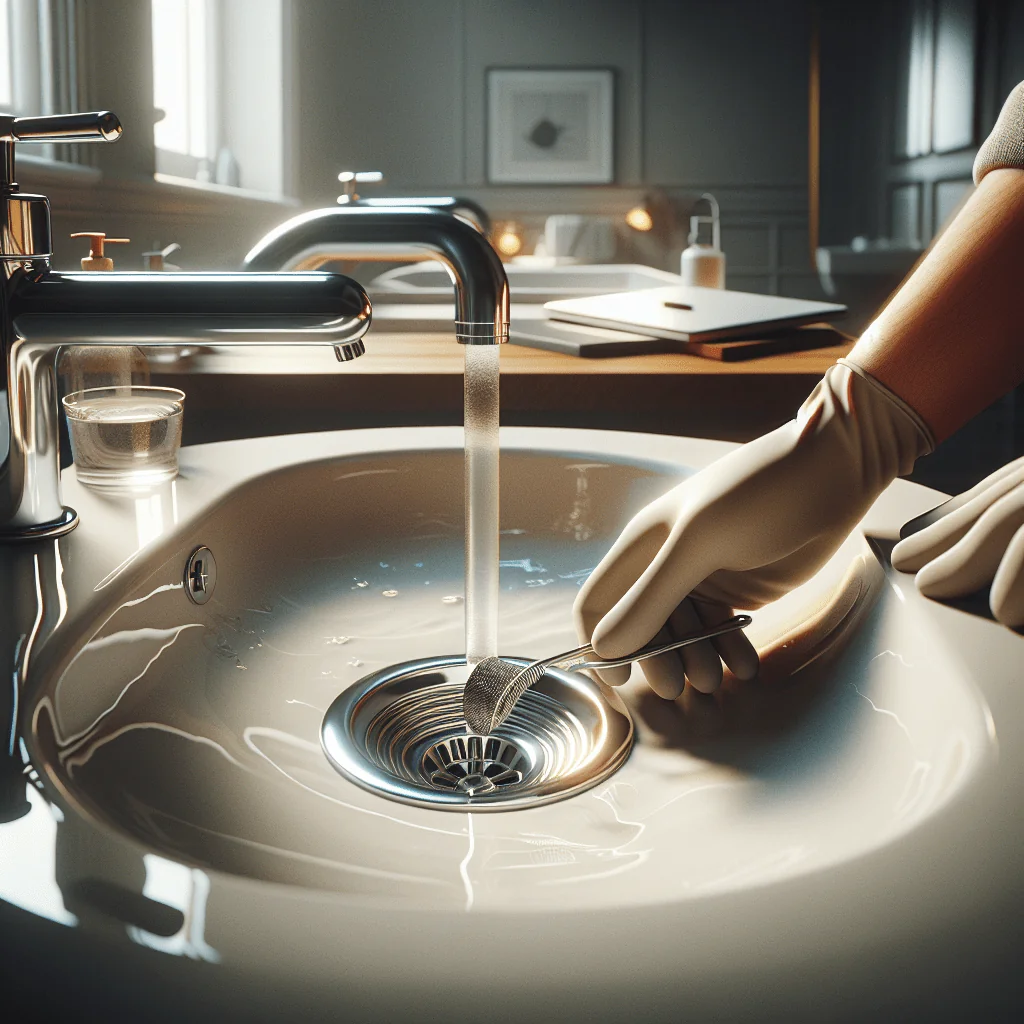
- Clean or replace a clogged showerhead. Unscrew the showerhead by hand or with a wrench and cloth to protect the finish. Soak the head in white vinegar for a few hours to dissolve mineral scale, then scrub the nozzles with a soft brush. Rinse and reinstall. If the head is old or badly clogged, consider a new model rated for good flow.
- Remove flow restrictors only where legal and safe. Many modern showerheads include a plastic flow restrictor. Some areas require these by law to save water. If local rules allow, you can remove the insert following the manufacturer’s instructions. Never drill or damage internal parts, as that can cause leaks or poor spray patterns.
- Make sure the shower valve is fully open. Some showers have a separate shutoff or volume control hidden behind the trim. Remove the handle and trim plate if needed and check that any built-in stop valves are fully open. Also confirm the main water valve for the home and any bathroom isolation valves are open.
- Test hot and cold lines separately. Run only cold water, then only hot. If pressure drops only on the hot side, you may have an issue with your water heater or a partially closed hot-water valve. If both are weak, the cause is more likely in the showerhead or shared piping.
- Fix low water pressure at the source. If sinks and other fixtures are also weak, you have a broader low pressure problem. Check for a half-closed main valve, a failing pressure-reducing valve, or a partially clogged main line. These issues are often best handled by a plumber, but you can at least confirm valves are fully open.
- Inspect for kinks or crushed flexible hoses. Some showers, especially hand showers, use flexible hoses behind the wall or at the mixer. A kinked or crushed hose will cut flow. Gently straighten or replace damaged hoses. Do not bend them sharply or pull hard on fittings.
- Clear clogged faucet aerators and nearby fixtures. If you also notice weak flow at the bathroom sink, remove and clean the faucet aerator. Sediment that clogs aerators can also build in shower valves. Cleaning nearby fixtures gives clues about scale in your system.
- Flush the shower valve for debris. With the water off, remove the shower cartridge or valve core following the manufacturer’s guide. Briefly turn the water on to flush out grit and scale, then turn it off and reassemble. Keep a towel or bucket ready to catch water.
- Consider a pressure-boosting solution. If your home supply pressure is low due to location or shared lines, a plumber may suggest a booster pump or a larger supply line. This is usually a last step after all simple fixes fail.
By working through these steps in order, you avoid tearing into walls or replacing parts before ruling out easy causes like a dirty showerhead or half-closed valve.
Common Low Pressure Causes Linked to Other Home Systems
Sometimes weak shower pressure is a sign of wider problems with plumbing or appliances. Knowing how other common issues behave can help you spot patterns.
How other home problems can hint at pressure issues
If your dishwasher is not draining, or your washing machine is not spinning properly, sediment and debris may be present in your plumbing. That same debris can clog shower valves and showerheads, reducing flow. Issues like a dryer not heating, a refrigerator not cooling, or an AC not cooling do not affect water pressure directly, but they hint that your home may have power or breaker problems. Always confirm that your water heater and pressure systems have a stable power supply.
Hot Water Problems: Water Heater and Boiler Checks
If your shower pressure drops only on hot water, your hot water system might be to blame. Weak hot flow can feel like low pressure even when the cold side is fine.
What to check on heaters and boilers
Start by asking: why is my water heater not heating as expected? A failing water heater can build sediment in the tank, which slows flow through hot lines. Check for unusual noises, leaks, or discolored water from hot taps. If you use a boiler for hot water or heating, why is my boiler losing pressure is another key question. Low boiler pressure can lead to poor hot water performance and uneven heating. Bleeding radiators, checking for leaks, and topping up boiler pressure (only as the manual states) can restore system balance.
Low Shower Pressure and Other Plumbing Symptoms
Low shower pressure often appears with other plumbing annoyances. These can give clues about the true cause and help you plan repairs.
Related plumbing problems that affect pressure
If you already looked up how to fix low water pressure for the whole house, you know that closed valves, clogged pipes, and old galvanised lines are common culprits. A weak shower is one of the first places people notice this. Problems such as a toilet that keeps running or a leaking faucet waste water and can reduce effective pressure during peak use. Fixing a running toilet or a dripping tap frees up flow for other fixtures, including the shower.
Electrical and Control Issues That Can Affect Water Systems
Water pressure itself is mechanical, but many parts of your home water system rely on electricity. If those parts fail, your shower may feel weak or run out of hot water quickly.
Breakers, outlets, and smart controls
Know how to reset a circuit breaker safely. A tripped breaker on a well pump, booster pump, or electric water heater can cut pressure or hot water. If an outlet is not working near your water equipment, check the breaker and any reset buttons on the device. Wi‑Fi controls, smart thermostats, and connected valves also depend on a stable router. If you face odd behavior from smart showers or heaters, learn how to fix WiFi router connection issues first. A lost signal can lock devices in a low-flow or safe mode setting.
Drainage, Venting, and Why They Still Matter for Pressure
Drain issues do not change supply pressure directly, but they affect how your shower feels and drains. Slow drains can make a normal-pressure shower feel poor, since water builds up around your feet.
Clogs, vents, and nearby repair skills
Knowing how to unclog a kitchen sink gives you practice working with traps and drain pipes, which helps when you clear a shower drain. Skills like how to patch a hole in drywall matter if you ever open a wall to reach shower pipes. The same repair habits help if you fix a stuck drawer in a vanity or adjust a cabinet. If you work near radiators or heating pipes while chasing pressure problems, learn how to bleed a radiator safely. Air in heating lines can affect boiler performance, which then affects hot water flow and your shower experience.
When Low Pressure Means It’s Time for a Pro
Some low pressure issues are beyond quick DIY fixes. Certain signs mean you should call a licensed plumber or qualified technician.
Warning signs you should not ignore
If you see major leaks, wet patches on ceilings, or sudden drops in pressure across the whole house, shut off the water and get help. The same applies if you suspect a failing main line, a corroded pipe behind tiled walls, or a faulty pressure regulator. While you wait, you can handle small tasks like how to fix a squeaky door, how to fix a stuck drawer, or how to replace a door lock. These simple jobs keep your DIY skills sharp without risking your plumbing or structure.
Keeping Good Shower Pressure Over Time
Once you know how to boost shower water pressure, focus on keeping that pressure stable. A little routine care goes a long way.
Simple maintenance habits that protect pressure
Clean your showerhead every few months to prevent scale buildup. Fix small leaks fast, whether that is a leaking faucet or a slow drip at the shower arm. Check valves after any work on the main line or water heater to confirm they are fully open. Combine these habits with your DIY repair safety checklist, and your shower should stay strong and reliable. If pressure drops again, you now have a clear process to track down the cause and decide whether a DIY fix or professional help is the right move.
Summary of common home issues related to low shower pressure:
| Home Issue | Possible Link to Shower Pressure | Typical DIY Focus |
|---|---|---|
| Dishwasher not draining | May point to sediment or debris in plumbing lines | Clean filters, check drain hose, clear clogs |
| Washing machine not spinning | Can hint at supply or drain problems in the same area | Balance load, check drain, inspect lid switch |
| Dryer not heating | Suggests power or breaker issues that might affect pumps | Check breaker, clean lint filter, inspect vent |
| Refrigerator not cooling | Shows general power or control problems in the home | Check outlet, settings, and air flow around unit |
| AC not cooling | May share breakers or circuits with water equipment | Replace filter, check thermostat and breaker |
| Boiler losing pressure | Can reduce hot water flow to shower | Bleed radiators, look for leaks, follow boiler guide |
By watching these related issues and handling basic checks, you build a fuller picture of your home systems. That wider view makes it easier to protect good shower pressure and spot trouble early.