
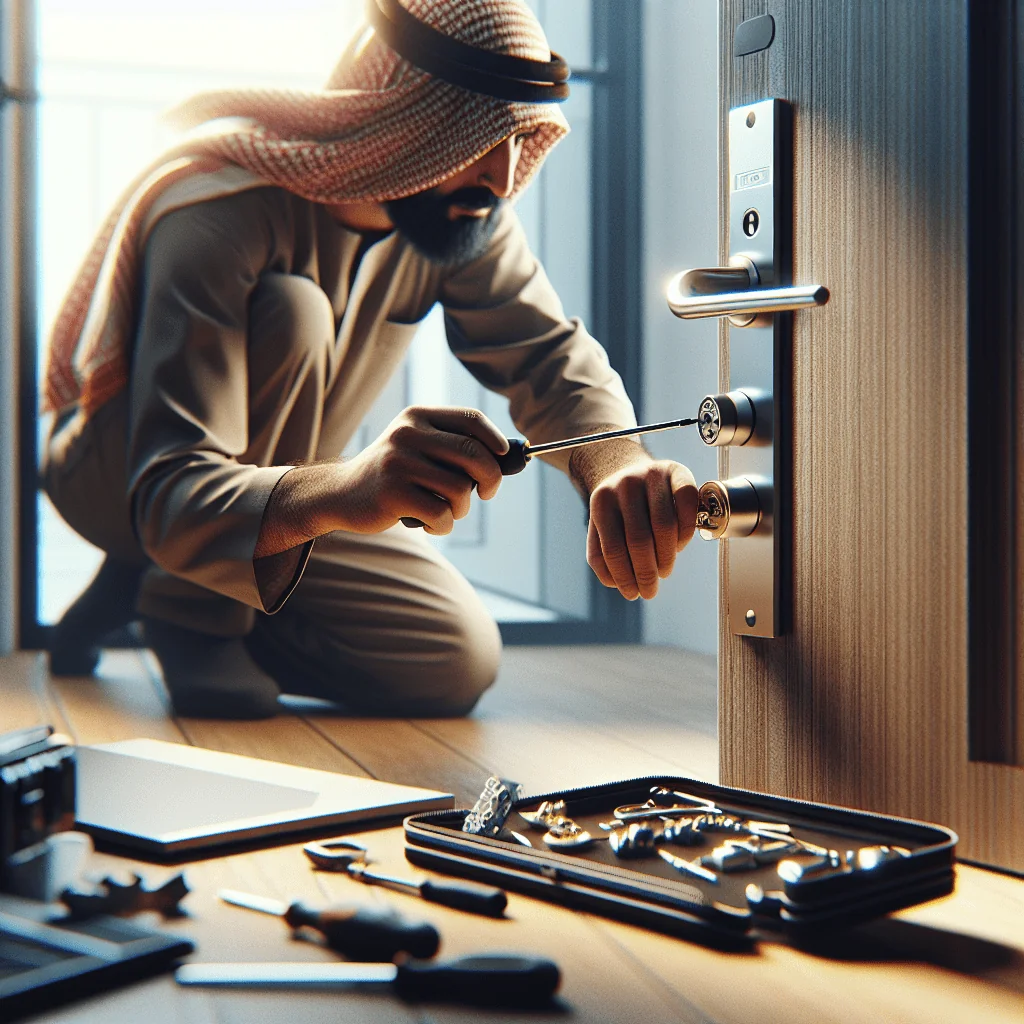
How to Change a Door Lock Cylinder: Clear DIY Guide
How to Change a Door Lock Cylinder: Step‑by‑Step Guide Learning how to change a door lock cylinder is a useful home repair skill. You can improve security,...
In this article
Learning how to change a door lock cylinder is a useful home repair skill. You can improve security, replace a worn key, or match your locks to one key without changing the whole lockset. This guide explains how a lock cylinder works, which tools you need, and the exact steps to replace one safely and confidently.
How a Door Lock Cylinder Works and Why You Might Replace It
The door lock cylinder is the part of the lock where you insert the key. When the correct key turns, the cylinder moves an internal cam or tailpiece that operates the latch or deadbolt. Replacing only the cylinder changes which key works the lock, while the rest of the hardware stays in place.
Many people change a lock cylinder after moving into a new home, losing a key, or dealing with a sticky key that no longer turns smoothly. Swapping the cylinder can be faster and cheaper than replacing the entire lock. In many common locks, the cylinder is a separate, removable part.
Before starting, look closely at your existing lock from both sides of the door. Note the brand name on the faceplate or latch and whether the lock is a knob, lever, or separate deadbolt. This information helps you buy the correct replacement cylinder and follow the right method.
Common Residential Lock Styles That Use Cylinders
Most home doors use one of a few standard lock body styles. Each style holds the cylinder in a slightly different way. Recognizing the style helps you understand what you will see once the trim is removed and where the cylinder sits inside the lock.
Key-in-knob and key-in-lever locks usually have the cylinder built into the knob or lever assembly. Deadbolts often have a larger, separate cylinder above or below the handle. Some newer doors use euro profile cylinders, which have a narrow, curved outline and are held by a single screw through the door edge.
Tools and Materials Needed to Change a Lock Cylinder
Gather your tools and parts before you take anything off the door. Having everything close by reduces the chance of leaving an exterior door open or half-assembled if you are interrupted during the job.
- New lock cylinder (correct type and size for your lock)
- Matching keys for the new cylinder
- Flat-head screwdriver
- Phillips screwdriver
- Measuring tape or ruler
- Pen and paper or phone to note measurements
- Small tray or container for screws and small parts
- Lock-safe lubricant such as graphite or a lock-specific spray (optional)
Place all screws, plates, and small parts in one tray as you work. Many screws look similar, and mixing them up can lead to a misaligned lock, a sticking latch, or a loose handle. Keeping parts organized also makes reassembly faster and less stressful.
Choosing the Right Replacement Cylinder
Choosing a correct replacement cylinder is as important as the installation steps. A cylinder that is too long, too short, or the wrong profile can weaken security or prevent the lock from working at all. Take the time to match the style and size of your original part.
Check the brand and model on the existing lock if possible. Some locks accept only brand-specific cylinders, while others use standard sizes. If you are unsure, you can remove the old cylinder first, measure it carefully, and take it with you when you buy the replacement.
Check Your Lock Type Before You Start
Different locks have different methods for holding the cylinder in place. Spending a short time to identify your lock type helps you avoid forcing parts, stripping screws, or damaging the internal mechanism.
Stand inside your home and examine the lock on the door. Decide whether the keyhole is part of the knob or lever, or if it is a separate deadbolt above or below the handle. Look for visible screws on the inside trim plate or on the face of the deadbolt. Also note whether the inside side has a thumb turn or just a latch knob.
If the lock looks very old, has no visible screws, or has a decorative cover that hides fasteners, the cylinder may be integrated or part of a high-security system. In that situation, the steps in this guide may still help you understand the basics, but you may want professional support before you try to remove parts that do not move easily.
Table: Typical Cylinder Access Methods by Lock Style
The table below summarizes common residential lock styles and how you usually reach the cylinder in each type.
| Lock Style | Where Screws Are Usually Located | Typical Cylinder Access Method |
|---|---|---|
| Key-in-knob / key-in-lever | Inside knob or lever trim plate | Remove interior knob/lever and trim to expose cylinder housing |
| Standard deadbolt | Inside face of deadbolt assembly | Remove interior plate and thumb turn to access cylinder and tailpiece |
| Euro profile cylinder | Single screw on door edge | Remove edge screw, turn key slightly, and slide cylinder out sideways |
| Mortise lock with cylinder | Through-bolts or faceplate screws | Remove trim, then remove separate cylinder held by set screw or ring |
This overview will not cover every specialty lock, but it gives you a starting point. If your lock does not match any of these patterns, proceed slowly and avoid forcing hidden parts. Extra time spent understanding the style can prevent damage and extra repair costs later.
Step-by-Step: How to Change a Door Lock Cylinder
Work with the door open so you do not accidentally lock yourself out while the cylinder is removed. Follow the steps in order, and do not rush. A careful approach usually leads to a smoother, cleaner result.
- Open the door and secure it. Open the door fully and wedge it with a doorstop or heavy object so it does not swing. Keeping the latch free from the strike plate makes the lock easier to remove and reinstall.
- Locate the screws holding the lock. On most locks, the main screws are on the inside face of the door, either on the knob or lever plate or on the interior side of the deadbolt. Leave screws on the door edge in place for now.
- Remove the interior handle or deadbolt cover. Use the correct screwdriver to remove the visible screws. Support the exterior side with one hand so it does not fall when the screws come out. Gently pull the inside and outside pieces away from the door.
- Identify the cylinder and retaining screw. With the trim removed, you should see the cylinder or a metal housing that holds it. Look along the edge of the door for a small screw that lines up with the cylinder body. This screw often holds the cylinder in place.
- Remove the cylinder retaining screw. Use a screwdriver to remove the retaining screw on the door edge. Place the screw in your parts tray. Do not remove other edge screws unless your specific lock instructions say to do so.
- Insert the current key and turn slightly. Insert the existing key into the cylinder. Turn the key a small amount, often about a quarter turn or less, to align the internal cam so the cylinder can slide out. Stop if the key binds or will not move.
- Slide the old cylinder out. With the key turned slightly, pull the key and cylinder straight out from the door. You may need to wiggle gently while pulling. If the cylinder does not move, double-check that the retaining screw is fully removed and not stripped.
- Compare and measure the old cylinder. Place the old and new cylinders side by side on a flat surface. Check overall length, cam shape, keyway style, and screw hole position. If the new cylinder is adjustable, follow the manufacturer’s instructions to match the old length and configuration.
- Insert the new cylinder. Insert the new key into the new cylinder. Turn the key slightly to match the cam position of the old cylinder. Slide the new cylinder into the door until the screw hole on the edge lines up with the retaining screw hole. Do not force the cylinder; it should slide in with light pressure.
- Reinstall the retaining screw. While holding the cylinder in place, reinstall the retaining screw on the door edge. Tighten it firmly but stop before the screw feels overly tight. Too much force can pinch the cylinder and make the key hard to turn.
- Reattach the lock trim and handles. Place the inside and outside lock pieces back on the door, feeding any connecting bars, tailpieces, or spindles through the cylinder as needed. Install the interior screws and tighten them evenly so the lock sits flat against the door surface.
- Test the lock with the door open. Turn the key several times with the door open. Lock and unlock from both sides if possible. For a deadbolt, turn the thumb turn and the key fully to make sure the bolt extends and retracts smoothly without catching.
- Close the door and test again. Close the door and test the key and thumb turn again. Make sure the bolt or latch lines up with the strike plate and does not rub or stick. Listen and feel for smooth motion through the full range of travel.
If the key feels rough or the bolt catches in the strike plate, loosen the mounting screws slightly and adjust the lock position. Small changes in angle or height can make a big difference in how easily the cylinder turns and how well the door secures.
Dealing With Stuck or Stripped Screws
Sometimes the hardest part of changing a lock cylinder is removing old screws. Paint, rust, or worn screw heads can slow the job. Use a correctly sized screwdriver and press firmly into the screw head while turning to reduce the chance of slipping.
If a screw is badly stripped, you may need a screw extractor or a different tool to grip the head. Take your time with stubborn screws; rushing often leads to damaged hardware or a chewed-up screw head that is even harder to remove.
Special Notes for Euro Cylinders and Profile Cylinders
Many doors, especially in Europe and in some newer installations worldwide, use euro profile cylinders. These cylinders have a narrow, curved shape and are usually held in place by a single screw on the door edge. The replacement process is similar to standard cylinders but includes a few important differences.
For a euro cylinder, you usually do not remove the handles fully. Instead, remove the central retaining screw on the door edge with a screwdriver. Insert the key into the cylinder and turn it slightly until you feel the cam align with the body of the cylinder. Then slide the cylinder out sideways from the face of the door.
When replacing a euro cylinder, measure from the center of the retaining screw hole to each end of the cylinder. You will get two measurements, such as 35/40. The new cylinder must match these values so it does not stick out too far or sit too deep in the door. A cylinder that projects too far can be easier to attack, while one that sits too deep may be hard to operate.
Security Considerations for Euro Cylinders
Some euro cylinders offer added security features such as anti-snap, anti-drill, or anti-pick designs. If your door is an exterior entry door, consider upgrading to a more secure cylinder style when you replace the old one. The upgrade usually installs the same way as a basic cylinder.
Always follow the manufacturer’s instructions for any special security cylinder. These products may have extra parts or specific orientation requirements that help them perform as designed in daily use and in attempted attacks.
Safety Tips for DIY Lock Cylinder Replacement
Changing a lock cylinder is a common DIY project, but you still need to think about safety and security while you work. A few simple habits reduce the risk of damage, injury, or accidental lockouts while you have the lock apart.
Always work with the door open, especially on exterior doors. Keep at least one spare key for the new cylinder in a safe place before you complete the change on every door. Avoid leaving any entry door unattended with the lock removed, particularly on ground floors or easily reached decks.
If you feel resistance while removing or inserting the cylinder, stop and check alignment instead of applying more force. Extra force can bend the cam, crack the cylinder, or damage the lock body. Damage inside the lock may then require a full lock replacement instead of a simple cylinder swap.
Personal Protective and Handling Tips
Lock hardware has sharp edges, small springs, and tight spaces. Wearing light work gloves can protect your hands from sharp corners on strike plates or door edges. Safety glasses are helpful if you expect to drill out old screws or work above eye level.
Keep children and pets away from the work area. Small screws and keys can be tempting to pick up and may become choking hazards. A clear, calm workspace helps you focus on the details that keep your new cylinder working smoothly.
When to Call a Locksmith Instead
Most standard residential locks allow easy cylinder changes with simple tools and careful work. However, some situations call for a trained locksmith. Knowing when to stop and ask for help can save time and prevent extra damage to the door or lock.
If your lock is part of a multi-point locking system, a smart lock, or a high-security system with restricted keys, cylinder replacement can be more complex. The wrong cylinder or an incorrect installation can weaken security or keep the lock from operating at all. In some systems, the electronics and mechanical parts must be aligned precisely.
Also consider professional help if the key will not turn at all, the cylinder feels jammed or broken, or the lock has been damaged by a forced entry attempt. In those cases, internal parts may be bent or out of place. A full lock assessment and possible replacement may be safer and more reliable than trying to swap just the cylinder.
Cost and Time Considerations
Calling a locksmith adds cost, but it may save you from buying the wrong parts or spending hours on a stubborn lock. A professional can often rekey or replace a cylinder quickly and check that the door, frame, and strike plate are aligned correctly.
For many people, a do-it-yourself cylinder change is a good choice on interior doors or simple deadbolts, while exterior doors with complex hardware may justify expert service. Choose the option that gives you both security and peace of mind.
Testing and Maintaining Your New Door Lock Cylinder
After you change a door lock cylinder, regular testing and light maintenance help keep the lock working well. A few quick checks right after installation and a simple yearly routine can prevent many common lock problems.
Test every function of the lock: turn the key from outside, use the thumb turn or knob from inside, and make sure the latch or deadbolt moves fully with the door both open and closed. If you feel any sticking or hear grinding sounds, loosen the mounting screws slightly, adjust the lock position, and retighten in small steps.
Use a lock-safe lubricant once or twice a year. Apply a small amount to the key, insert and turn it several times, then wipe off any extra lubricant from the key and keyway. This keeps the pins and cylinder moving freely and helps the new lock last longer without sticking or jamming.
Final DIY Checkpoints Before You Finish
Before you put your tools away, run through a short mental checklist. These final checks confirm that the job is complete and that your door is secure and easy to use every day.
- All screws are snug, and the lock trim sits flat against the door.
- The key inserts fully and turns smoothly without catching or grinding.
- The latch or bolt lines up cleanly with the strike plate on the frame.
- Everyone who needs access has a working copy of the new key.
- Old keys are stored safely or destroyed so they cannot be misused.
Once you confirm each point, you can feel confident that your new door lock cylinder is installed correctly. With careful work and simple tools, you have improved your home security and learned a practical repair skill you can use again on other doors.