How to Fix a Leaky Faucet Handle (Plus Other Quick Home Fixes)
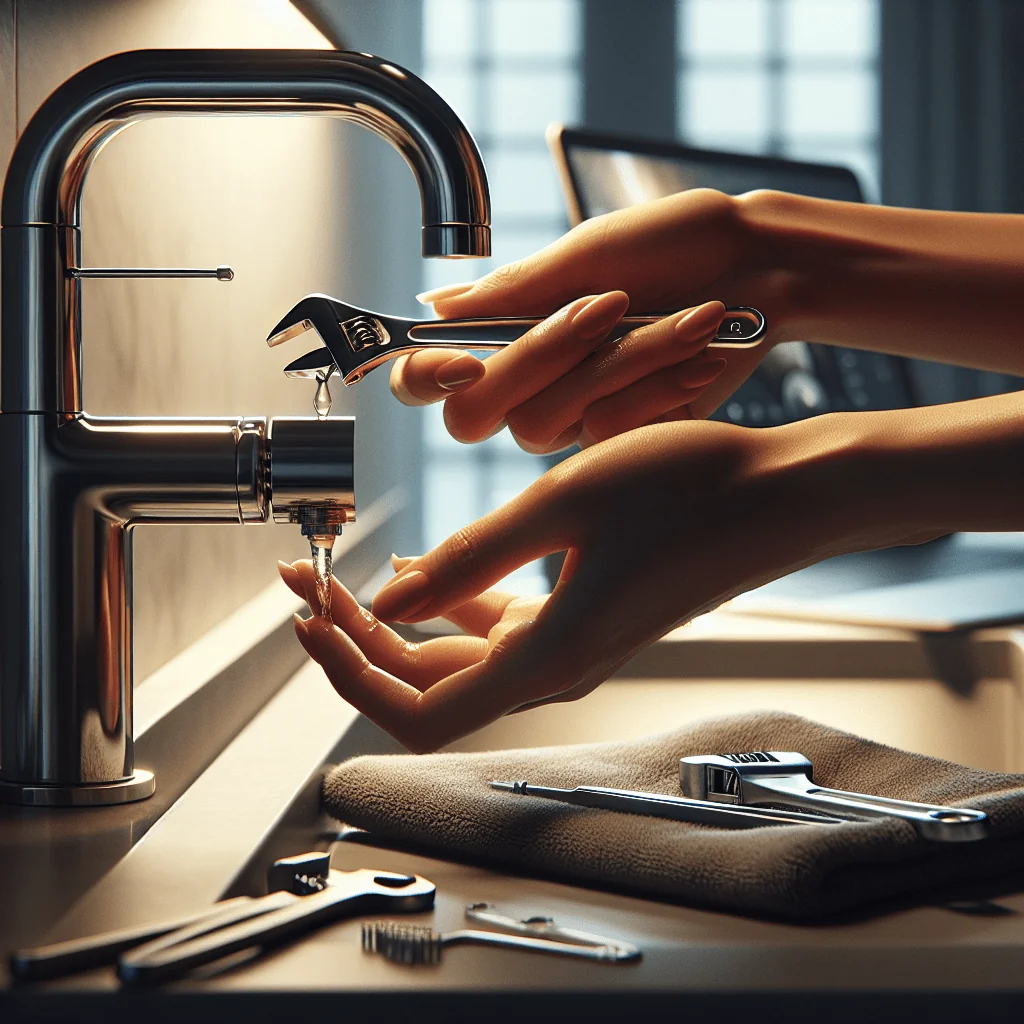
How to Fix a Leaky Faucet Handle: Step‑by‑Step Guide If you are searching for how to fix a leaky faucet handle, you are likely tired of constant drips and...
In this article
If you are searching for how to fix a leaky faucet handle, you are likely tired of constant drips and wasted water. A leaking handle usually means worn internal parts, loose screws, or mineral buildup. The good news is that most handle leaks are simple DIY repairs with basic tools and a bit of care.
This guide walks you through how to fix a leaking faucet handle step by step. You will also find short, clear sections on other common home issues such as a dishwasher not draining, washing machine not spinning, dryer not heating, refrigerator not cooling, and more. Use each section as a quick reference for safe, simple DIY troubleshooting.
Safety First: DIY Repair Checklist Before You Start
Before working on any faucet, appliance, or electrical part, pause and think about safety. A few simple habits can prevent injury and damage.
- Turn off water supply valves before plumbing work.
- Shut off power at the breaker before electrical work.
- Unplug appliances before opening panels or checking parts.
- Use the right size screwdriver and wrench to avoid slips.
- Wear gloves and eye protection when cutting, drilling, or using chemicals.
- Keep towels or a bucket handy for small leaks and spills.
- Stop and call a professional if you see scorch marks, smell burning, or have active flooding.
Keeping this checklist in mind will make every repair in this article safer and less stressful. If something feels unsafe or unclear, stop and get qualified help instead of forcing the repair.
How to Fix a Leaky Faucet Handle Step by Step
Most leaky faucet handles are caused by worn O-rings, cartridges, or loose screws. The basic steps are similar for many single-handle and double-handle faucets, though exact parts can differ by brand and style.
Before you start, gather a screwdriver set, an adjustable wrench, a small Allen key set, plumber’s grease, and replacement parts if you already know the faucet type. A photo of the faucet before disassembly can help with reassembly later.
Step-by-step process to repair a leaking faucet handle
Follow these steps in order, and keep parts in the order you remove them so you can put everything back correctly.
- Turn off the water and plug the drain.
- Remove the faucet handle and decorative cap.
- Inspect and remove the cartridge or stem.
- Replace worn O-rings, seals, or washers.
- Reassemble the faucet and test for leaks.
- Replace the entire cartridge if leaking continues.
Turning off the water first protects you from sudden sprays and makes the job cleaner. Careful inspection and correct replacement parts usually stop handle leaks without needing a new faucet.
Dishwasher Not Draining: How to Fix Common Causes
A dishwasher not draining usually points to a clogged filter, blocked hose, or an air gap issue. Always unplug the dishwasher or switch off the breaker before you start any work.
First, remove the bottom rack and check the drain area and filter for food debris. Rinse the filter under running water and clear any visible blockage. Next, inspect the drain hose under the sink. Make sure the hose is not kinked and that the connection to the sink drain or garbage disposal is clear. If you have an air gap on the sink, remove the cap and clean any buildup inside.
After cleaning, run a short cycle to test drainage. If the dishwasher still holds water, the drain pump or internal check valve may need professional service.
Washing Machine Not Spinning: How to Fix
A washing machine that will not spin often has an unbalanced load, a lid switch problem, or a worn belt. Always unplug the washer before removing panels.
Open the washer and rearrange heavy items like towels or blankets so the load is balanced. Close the lid firmly and try the spin cycle again. If nothing happens, check whether the lid switch clicks when you close the lid. On some models, a broken lid switch stops spinning for safety. Front loaders may show an error code instead. If the belt is accessible from a rear or bottom panel, unplug the washer and check for a loose or broken belt.
If the belt and lid switch look fine but the machine still will not spin, the motor or control board may need a technician.
Dryer Not Heating: Causes and Simple Fixes
If a dryer runs but does not heat, common causes include a tripped breaker, clogged vent, or failed heating element. Start with the power supply and air path.
Check your electrical panel to see if the dryer breaker has tripped. Many dryers use a double breaker; if one side trips, the drum may turn without heat. Reset the breaker fully off, then back on. Next, inspect the dryer vent hose and outside vent hood. Lint buildup can block airflow and reduce heating. Clean lint from the hose and vent path, and make sure the outside flap can open freely.
If the vent is clear and the breaker is fine, the heating element, thermostat, or thermal fuse may be faulty. These parts usually require a multimeter and some disassembly, so many homeowners choose to call a technician at this stage.
Refrigerator Not Cooling: Quick Troubleshooting
A refrigerator not cooling can be worrying, but some causes are simple and easy to check. Start with power, settings, and airflow.
Make sure the plug is secure and the outlet works. Confirm that the temperature controls are set to a cool setting and not accidentally turned off. Next, check the door seals for gaps and clean any dirt that stops them from sealing. Pull the fridge away from the wall and gently clean dust from the condenser coils on the back or bottom using a soft brush or vacuum.
If the fridge runs constantly but still does not cool, or if you see frost buildup on the back wall of the freezer, the problem may be with the defrost system or refrigerant. Those issues are usually best handled by a professional.
Why Is My Water Heater Not Heating?
A water heater not heating often has a simple cause like tripped power, a pilot light issue, or thermostat problems. The steps differ for electric and gas units, so identify your type first.
For an electric water heater, check the breaker panel for a tripped breaker and reset it. Many electric heaters also have reset buttons under the upper access panel. Turn off power, remove the panel, and press the reset button if present. For gas heaters, check that the gas valve is on and that the pilot light is lit. Follow the lighting instructions on the heater label carefully and stand clear of the burner opening.
If the heater trips repeatedly, makes unusual noises, or you smell gas, stop and call a professional right away for safety.
How to Unclog a Kitchen Sink Safely
A clogged kitchen sink is often caused by grease, food scraps, or a blocked trap. Avoid using harsh chemical drain cleaners, which can damage pipes and create fumes.
Start by removing standing water with a cup and bucket. Use a plunger over the sink drain, holding a wet cloth over the other drain if you have a double sink. If plunging does not clear the clog, place a bucket under the P-trap under the sink. Unscrew the trap carefully and remove debris by hand, then reassemble and test.
If the clog is deeper in the wall, a plumbing snake may be needed. Stop if you feel strong resistance to avoid damaging the pipe and consider calling a plumber.
How to Fix Low Water Pressure at Home
Low water pressure can come from clogged aerators, partially closed valves, or wider plumbing issues. Start at the faucet or fixture that feels weak.
Unscrew the faucet aerator at the tip and rinse out sand or mineral deposits. Soaking the aerator in vinegar can help dissolve buildup. Check that the shutoff valves under the sink or behind the toilet are fully open. If the problem affects the whole house, ask neighbors if they have the same issue; there may be a supply problem or work on local mains.
If pressure is low only on hot water, the water heater or its valves may be restricted and need a plumber’s help.
Toilet Keeps Running: How to Fix the Most Common Issues
A toilet that keeps running usually has a problem with the flapper, chain, or fill valve. Remove the tank lid and watch what happens after a flush to spot the cause.
If water leaks slowly from the tank to the bowl, the flapper may be worn or not sealing well. Turn off the water at the shutoff valve, drain the tank, and replace the flapper with a matching type. If the chain is too tight, it can hold the flapper open; leave a little slack when the handle is at rest so the flapper can close fully.
If water rises too high and spills into the overflow tube, adjust the float or replace the fill valve according to the instructions on the replacement kit.
How to Fix a Leaking Faucet in Other Areas
The same ideas used to fix a leaky faucet handle also apply to other faucet leaks, such as drips from the spout or leaks at the base. Most problems come from worn washers, cartridges, or seals.
Turn off the water, disassemble the faucet enough to reach the internal parts, and inspect washers and cartridges. Replace worn pieces with matching parts and use plumber’s tape on threaded joints if recommended by the manufacturer. Take clear photos as you go so reassembly is easier.
After reassembly, turn the water back on slowly while watching for leaks. A steady drip after new parts can mean a part is out of position or a nut is not snug enough.
How to Reset a Circuit Breaker Safely
Resetting a circuit breaker can restore power to an outlet or room, but do it with care. A breaker that trips often may signal a real electrical problem.
First, switch off or unplug devices on the affected circuit to reduce load. At the breaker panel, find the breaker that is in the middle or “tripped” position. Push it fully to the OFF side, then back to ON with firm pressure. If the breaker trips again right away, stop and call an electrician.
Never tape a breaker in the ON position or replace it with a higher-rated breaker just to stop tripping, as that can create a fire risk.
Outlet Not Working: What to Check
An outlet not working can be caused by a tripped breaker, a tripped GFCI outlet, or a loose connection. Start with the simple checks before opening anything.
Test another outlet on the same wall to see if the problem is wider. Look for a GFCI outlet nearby, often in kitchens, bathrooms, or garages. Press the RESET button to restore power if it has tripped. Then check the breaker panel for a tripped breaker and reset it as described earlier.
If the outlet is still dead, or if you see scorch marks or smell burning, stop and call an electrician instead of trying to repair the outlet yourself.
How to Fix a Squeaky Door Quickly
A squeaky door usually needs lubrication on the hinges. You can use a silicone spray, light machine oil, or petroleum jelly in a pinch.
Open and close the door to find which hinge squeaks. Apply a small amount of lubricant to the hinge pin and moving parts. Move the door back and forth to work the lubricant in. Wipe away any drips to protect nearby surfaces and flooring.
If the squeak remains, you can remove the hinge pin, clean off rust or dirt, apply fresh lubricant, and reinstall the pin securely.
How to Patch a Hole in Drywall
Patching a hole in drywall is a simple DIY job with the right materials. The approach depends on the size of the hole and whether it reaches the paper edges.
For small nail holes, fill with spackle using a putty knife, let dry, sand smooth, and paint. For larger holes, use a patch kit or cut a square piece of drywall to fit. Secure the patch over a backing piece of wood or drywall, then cover seams with joint tape and compound applied in thin layers.
Sand between coats of compound until the surface is smooth and level with the wall, then prime and paint so the repair blends with the surrounding area.
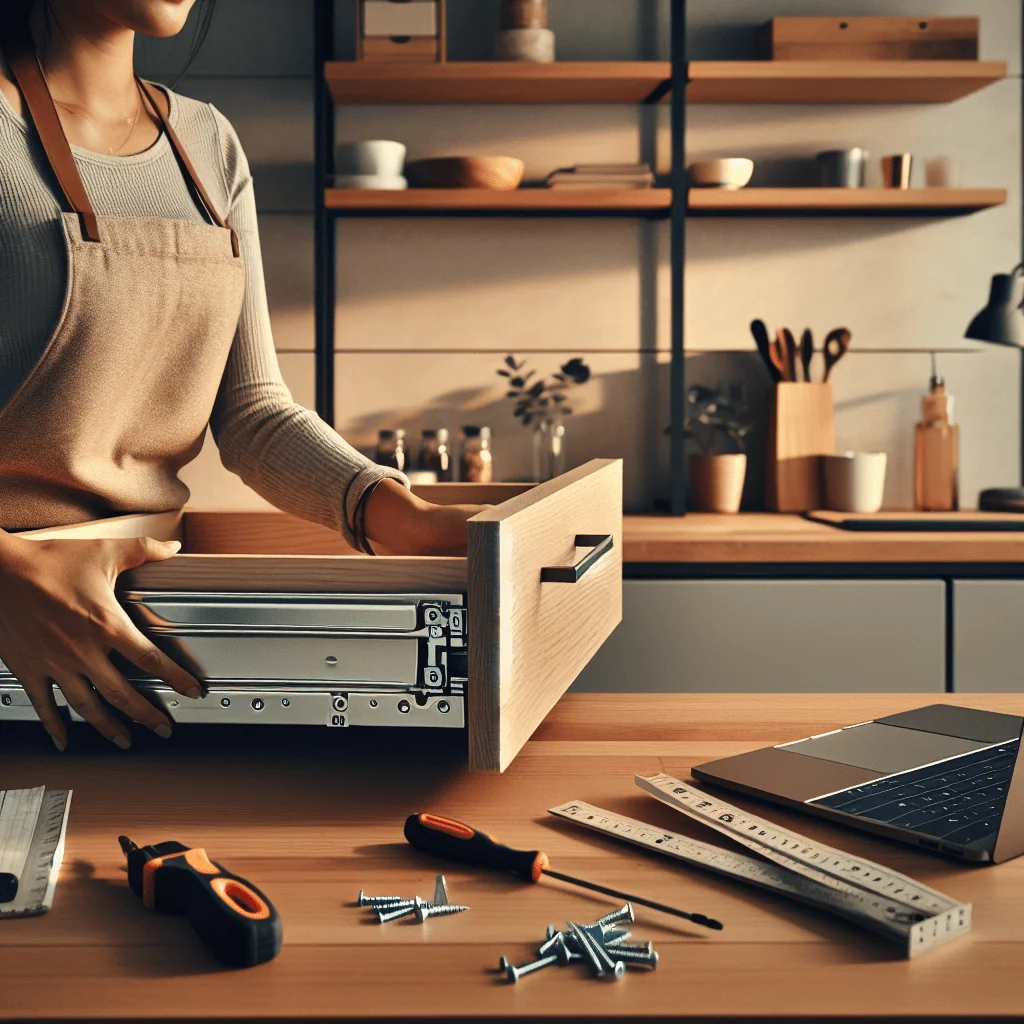
How to Fix a Stuck Drawer
A stuck drawer usually comes from swollen wood, misaligned tracks, or debris in the slides. Remove the drawer completely if possible for a clear view.
Inspect the slides for bent metal or broken plastic pieces. Clean out dust and dirt, then apply a small amount of dry lubricant or wax to the slides. Check that the drawer is not overloaded, which can pull it out of square and cause binding.
If the wood has swollen from moisture, gentle sanding of the tight areas can help the drawer slide freely again without forcing it.
AC Not Cooling: Basic Troubleshooting Steps
If your AC is not cooling, start with the thermostat and filter. Simple checks can restore cooling without tools.
Make sure the thermostat is set to COOL and a low enough temperature. Check the air filter and replace it if it is dirty or clogged. A blocked filter can reduce airflow and cooling. Next, look at the outdoor unit to see if the fan runs and if the coils are clean. Clear leaves and debris from around the unit and gently rinse coils with a hose if needed, keeping water away from electrical parts.
If the AC still does not cool and you see ice on the lines or hear unusual noises, turn the system off and call a professional to avoid damage.
How to Bleed a Radiator
Radiators that feel cold at the top and warm at the bottom often have trapped air. Bleeding the radiator releases the air and restores heat to the full panel.
Turn off the heating system and let the radiator cool. Use a radiator key or flat screwdriver on the bleed valve at the top side of the radiator. Place a cloth or small container under the valve, then turn the key slowly counterclockwise until you hear air hiss out.
When water starts to flow steadily, close the valve. Check the boiler pressure afterward and top up if needed according to the boiler instructions so the system runs correctly.
Why Is My Boiler Losing Pressure?
A boiler losing pressure can be caused by a system leak, faulty pressure relief valve, or trapped air. Check the pressure gauge on the boiler front and note any steady drop.
If you see water around radiators, valves, or under the boiler, there may be a leak in the system. For small drops in pressure without visible leaks, you may have to top up the system using the filling loop, following the boiler’s manual and staying within the recommended pressure range.
If pressure falls quickly again after topping up, or if the pressure relief pipe drips outside, a heating engineer should inspect the system.
How to Fix WiFi Router Connection Issues
WiFi problems often come from simple issues like a frozen router, interference, or outdated firmware. Start with a basic reset and simple placement changes.
Unplug the router and modem, wait about 30 seconds, then plug the modem back in. When the modem lights are stable, plug in the router and wait for it to restart. Test the connection with one device close to the router. If WiFi is still weak, try moving the router to a more central, open location and away from thick walls or large metal objects.
If problems continue, check your router’s admin page for firmware updates or contact your internet provider for further tests on the line.
How to Replace a Door Lock
Replacing a door lock is straightforward with a matching replacement. You will need a screwdriver and the new lock set, and possibly a tape measure.
Open the door and remove the screws from the interior side of the lock. Pull the inner and outer handles or knobs apart, then remove the latch from the edge of the door. Slide the new latch into place, secure it with screws, then install the new interior and exterior handles through the latch opening, lining up the spindle and screw holes.
Tighten the screws evenly and test the handle and lock several times to ensure smooth operation and secure locking before relying on it for security.
Summary of common DIY home repair problems and typical causes
| Problem | Likely Cause | Basic DIY Fix |
|---|---|---|
| Leaky faucet handle | Worn O-rings or cartridge | Replace O-rings or cartridge and reassemble |
| Dishwasher not draining | Clogged filter or hose | Clean filter, hose, and air gap |
| Dryer not heating | Tripped breaker or blocked vent | Reset breaker and clear lint from vent |
| Toilet keeps running | Worn flapper or high water level | Replace flapper and adjust fill valve |
| Outlet not working | Tripped breaker or GFCI | Reset GFCI and breaker safely |
Use this table as a quick reminder of what to check first for each issue. For any problem that involves gas, major electrical work, or hidden leaks, stop and bring in a qualified professional to keep your home and family safe.