Outlet Burning Smell Troubleshooting: What To Do Right Now
Outlet Burning Smell Troubleshooting: Safety Guide and Fixes If you notice a burning smell from an outlet, treat the situation as urgent. Outlet burning smell...
In this article
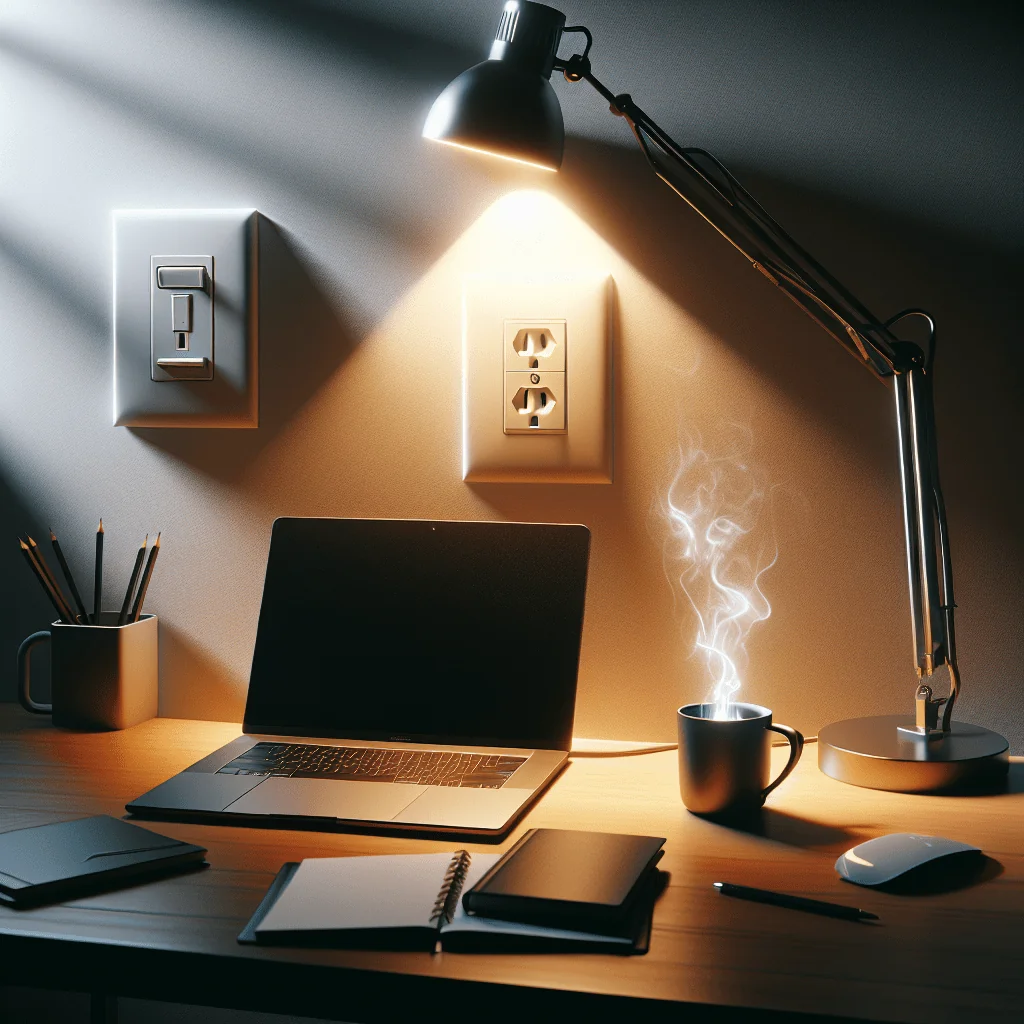
If you notice a burning smell from an outlet, treat the situation as urgent. Outlet burning smell troubleshooting is about one main thing first: safety. A hot or melting outlet can lead to fire, even if you do not see sparks or smoke yet.
This guide explains what a burning smell can mean, the first actions to take, what you can safely check yourself, and when you must stop and call a licensed electrician instead of doing more DIY work.
Why a Burning Smell From an Outlet Is So Serious
A burning smell from an outlet usually means heat is building where it should not. That heat can damage the outlet, the plug, the wiring in the wall, or even nearby materials like drywall and insulation around the box.
Many outlet problems start small. A loose wire or overloaded power strip might work for a while, then slowly overheat. Catching these early signs lowers the chance of a house fire and keeps damage limited to one area.
Never ignore a burning smell, even if it fades. The smell may stop when the outlet cools, but the damage can remain and grow worse the next time the outlet is used with a heavy load.
Common Causes Behind a Burning Outlet Smell
Several issues can cause an outlet to smell like burning plastic, rubber, or hot metal. Understanding the likely causes helps you decide what to do next and whether you can safely use that circuit again.
Some causes are related to how you use the outlet, while others come from age, poor installation, or hidden damage in the wiring that you cannot see without opening the box.
- Overloaded outlet or power strip – Too many high-wattage devices on one circuit.
- Loose connections – Wires or terminals not tightly secured, causing arcing and heat.
- Damaged or cheap extension cords – Cords that overheat and transfer heat to the outlet.
- Old or worn outlet – Contacts inside the outlet lose grip and create poor contact.
- Incorrect DIY wiring – Reversed polarity, loose wire caps, or wrong wire size.
- Moisture exposure – Especially in bathrooms, kitchens, or outdoors, causing corrosion and heating.
- Appliance fault – The device plugged in is overheating, not the outlet itself.
Even if the cause seems simple, such as an overloaded power strip, assume there may already be heat damage. Inspect carefully and reduce load on that circuit in the future, especially with heaters or other high-draw devices.
Outlet Burning Smell Troubleshooting: First Safety Actions
Before you inspect anything closely, reduce risk. Electricity and heat together can be dangerous, so your first steps should limit both and give you time to think clearly about the next move.
Follow these actions in order, and stop if you ever feel unsafe or unsure about any step or tool.
- Unplug devices immediately
Carefully unplug everything from the smelly outlet. If a plug feels very hot, use a dry cloth or turn off the breaker first so you do not burn your hand. - Turn off the outlet’s circuit breaker
Go to your electrical panel and switch off the breaker that controls that outlet. If you are unsure which one, turn off the main breaker to cut power to the whole home until you know more. - Do a quick visual and smell check
Without touching metal parts, look at the outlet and wall plate. Check for discoloration, melted plastic, or smoke stains. Note if the burning smell is stronger near that outlet than elsewhere in the room. - Check nearby outlets and cords
Inspect other outlets on the same wall or nearby for warmth or damage. Look at cords and power strips you unplugged for melted spots, scorch marks, or stiff areas in the insulation. - Decide if you need emergency help
If you see smoke, glowing, or hear crackling, leave the power off and contact emergency services or an electrician right away. Do not turn the power back on until a professional says it is safe.
These first steps prevent more heat from building and give you time to decide whether a licensed electrician is needed for repair or replacement of the outlet or wiring behind it.
How To Tell If the Outlet or the Appliance Is the Problem
Sometimes the outlet is fine and the device that was plugged in is overheating. Other times the outlet itself is failing and creating heat. You can do a careful check once the circuit is off and the outlet has cooled fully.
Start by looking closely at the plug and cord that were in the outlet. If the plastic on the plug is melted or darkened but the outlet face looks normal, the appliance or its cord may be failing and should not be used until inspected or replaced.
If the outlet cover is brown, warped, or cracked, the outlet likely overheated. In that case, the outlet should be replaced by a qualified person, even if it still works, because the internal contacts may be damaged.
What You Can Safely Check Yourself (Power Off Only)
Some basic checks are safe for many homeowners, as long as the breaker is off and you do not touch bare wires. If you are unsure at any point, skip these checks and call a professional instead of taking a risk.
First, confirm the power is off. Try turning on a lamp in that outlet or nearby outlets on the same wall. If nothing powers on, the breaker is likely off, but you can also use a simple plug-in tester if you have one.
Next, gently remove the outlet cover plate with a non-metallic or insulated screwdriver. Look for signs of trouble: burned insulation, black marks, melted plastic, or loose wires. Do not pull on wires or try to tighten anything unless you are trained to do so and fully understand local codes.
When Outlet Damage Requires Professional Repair
Some signs mean you should stop troubleshooting and call a licensed electrician. These signs point to deeper wiring problems or serious damage that can restart as soon as power returns and the circuit carries load again.
If you see any of the following, do not turn the breaker back on until a professional checks the circuit and confirms that repairs are complete:
- Burned or charred wiring inside the box or behind the outlet.
- Melted wire caps or insulation that has turned brittle or crumbly.
- An outlet that moves in the wall, feels loose, or tilts when you plug in.
- Cracks in the outlet body behind the cover plate or exposed internal parts.
These problems can mean heat has already damaged the wiring or outlet body. A professional can test the circuit, replace damaged parts, and confirm that the outlet burning smell troubleshooting process ended with a safe repair.
Outlet Burning Smell: DIY vs Professional Fix Comparison
Before you decide how far to go with outlet burning smell troubleshooting, compare what is usually safe for a careful homeowner and what should be left for a licensed electrician. The table below gives a simple overview.
DIY vs Professional Tasks for a Burning Outlet Smell
| Task | DIY Homeowner | Licensed Electrician |
|---|---|---|
| Unplug devices and turn off breaker | Safe for most people | Also done during service visit |
| Remove cover plate and visually inspect | Usually safe with power off | Can inspect more deeply with tools |
| Replace damaged cords or power strips | Safe if you match ratings | Can advise on safer options |
| Rewire or replace the outlet itself | Only if trained and confident | Recommended for most people |
| Repair wiring inside the wall | Not recommended | Should be done by a professional |
Use this comparison as a guide, not a hard rule. If you feel unsure or uncomfortable with any task on the DIY side, treat it as professional work and include it in the list of questions for your electrician.
Fixes You Should Not Attempt as a DIY Beginner
Electrical work can seem simple from the outside, but mistakes can lead to fires or shocks later. A burning outlet smell is already a warning sign, so be extra careful about what you try to fix yourself in the outlet box.
Do not try to rewire an outlet, replace a breaker, or open junction boxes if you have no electrical training. Also avoid swapping an outlet for a higher-rated one without checking the circuit and wire size, because that can hide an overload risk.
For many people, the safest DIY limit is turning off breakers, unplugging devices, and replacing a cover plate. Anything involving bare wires, splices, or new devices on the circuit is better left to a licensed electrician with proper tools and testing equipment.
Preventing Future Burning Smells From Outlets
Once the immediate risk is handled, think about how to avoid similar problems in other rooms. Many outlet issues come from everyday habits that can be changed with a few simple rules.
Spread high-power devices across different circuits if possible. Space heaters, hair dryers, kettles, and toasters use a lot of power and can overload a single outlet or strip, especially in older homes with limited wiring capacity.
Replace old or damaged cords and avoid daisy-chaining power strips. Use quality surge protectors for electronics and keep outlets dry, especially in kitchens, bathrooms, and outdoor areas where moisture can cause corrosion and extra heat.
How a Burning Outlet Smell Relates to Other Home Issues
Electrical problems often appear together with other home repair issues. For example, a tripped breaker that will not reset can be related to an overheated outlet and may require the same level of caution and inspection.
If you also have an outlet not working, what to check will include the breaker, the outlet condition, and any signs of heat damage. A burning smell adds urgency to that checklist and means you should not keep resetting the breaker without finding the cause.
Any DIY repair safety checklist should include steps like shutting off power at the breaker, using insulated tools, and avoiding work on live circuits. This same careful approach also helps with tasks like how to reset a circuit breaker, how to fix low water pressure with electric pumps, or troubleshoot other powered systems in your home.
Key Safety Reminders for Outlet Burning Smell Troubleshooting
Dealing with a burning smell from an outlet is stressful, but a few clear rules help guide your decisions. Keep these points in mind whenever you suspect heat or burning around electrical parts and wall boxes.
Never assume the problem has gone away just because the smell fades. Heat damage can stay hidden behind the wall and flare up later. Treat every burning smell as a warning that deserves a full check and, when needed, professional repair.
When in doubt, keep the power off and call a professional. Replacing a damaged outlet or section of wiring is far cheaper and safer than dealing with a fire or shock injury, and good troubleshooting now can protect your home for years.