Toilet Flapper Not Sealing Fix: Step‑by‑Step DIY Guide
Toilet Flapper Not seal off Fix: simpleton DIY Guide If your can support run or you pick up a slow hiss after every peak, the problem is often a toilet flapper...
In this article
If your can support run or you pick up a slow hiss after every peak, the problem is often a toilet flapper not seal. Clearly, a proper can flapper not sealing, kind of, fix is usually simpleton, cheap. Indeed, also, fast if you follow a clear operation. Importantly, this guide walks you through how the flapper works, how to diagnose the issue, and how to repair or supersede it safely.
How a lavatory Flapper plant and Why It Fails
The flapper is the rubber or plastic piece at the bottom of the armored combat vehicle that lifts when you flush. When the army tank refills, the flapper bead back down and seal the flower valve opening, holding water in the tank.
When the flapper doesn't stamp, water leak from the tank into the trough. The fill valve then keep topping up the tank. Plus, you hear a constant trickle or the toilet keeps running game. Over time, this wastes a lot of H2O and can wear out other parts.
Most sealing problem come from worn gum elastic, mineral buildup, a misaligned chain, or a warped peak valve seat. Let me put it this way: often, the good news is that each of these has a open, simple fix.
Key parts inside the lav tank
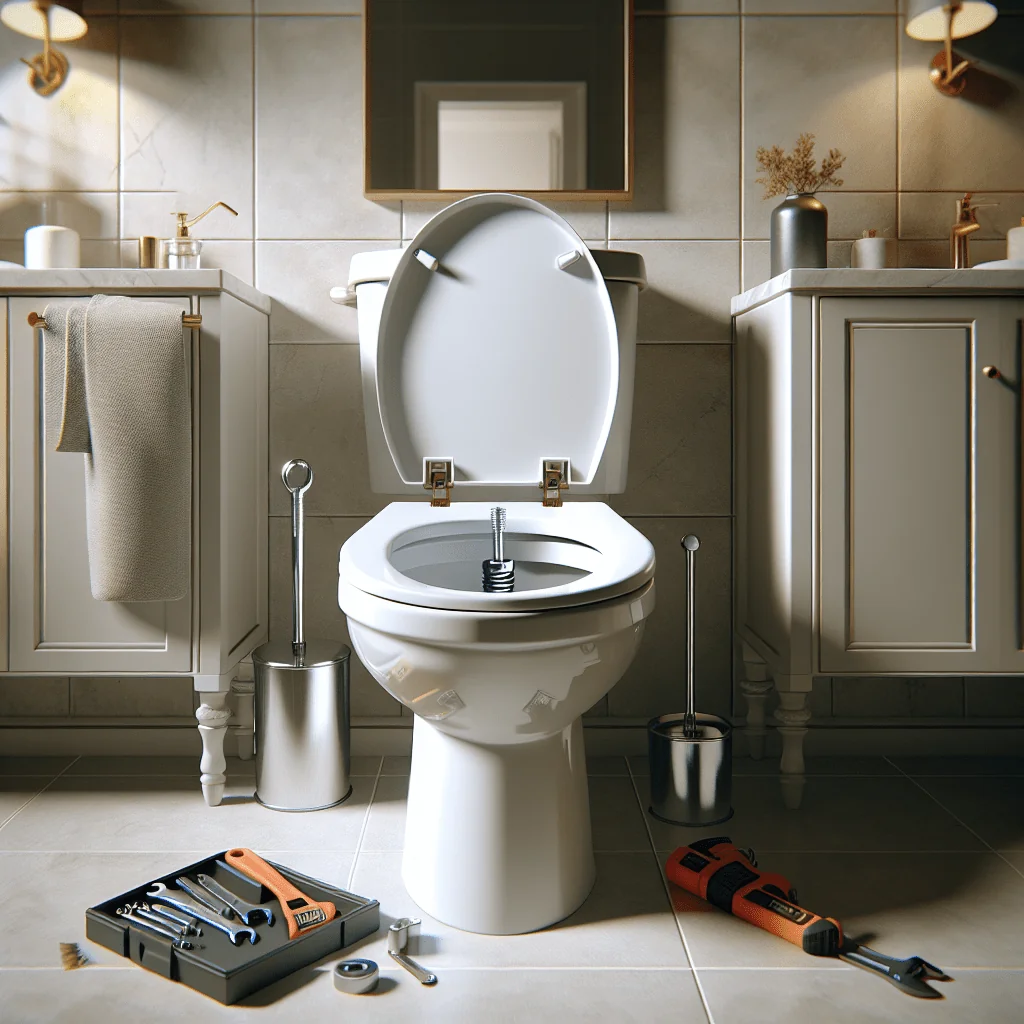
Inside the tank you'll see the handle lever, lift chain, overflow tubing, flapper, and filling valve. The grip lift the chemical chain, which raises the flapper and lets water rush into the bowl. Once the armored combat vehicle empties, the flapper falls rear onto the valve seat and seals the opening until the following flush.
Safety and Prep Before You Start
To fix a toilet flapper, you work inside the tank, which holds make clean H2O, not sewage. Hush, you should prepare properly to debar spillway or broken parts.
Gather a few fundamental items before you start. Generally, this helps you finish the repair in one go without run rear and forth for tools.
- Old towel or rag for drips and to protect the floor
- Adjustable wrench or pliers for clay shutoff valves
- Rubber gloves if you prefer not to handle tank H2O directly
- Sponge or small cup if you demand to take spear carrier water
- Replacement flapper sized for your can model, you cognize, if needed
Turn off the water supply at the shutoff valve behind or beside the toilet before any major alteration or replacement. This prevents accidental overflows while you tryout the fix.
Basic DIY fixing safety checklist
Before you touch any plumbing, take a minute to think about refuge. Make sure the bathroom storey is dry so you do not miscue, donjon kids and pets out of the piece of work area, and avoid forcing stuck parts so you do not crack the tank or valve. If anything feels unstable or you see damage to the porcelain, stop and evaluate calling a plumber.
Quick Checks: Is the Flapper Really the Problem?
Before you dive into a full lavatory flapper not seal fix, confirm the flapper is the cause. Some run toilet issue come from the fill valve or flood tubing instead.
First, remove the armored combat vehicle lid and set it gently on a flat, safe surface. And here's the thing: look interior the tank and ticker what happens after a flush and refill.
If water level rises to the top of the overflow tubing and spills in, the fill valve or float may need fitting. If the H2O grade is normal but you see ripples in the bowl or pick up trickle, the flapper seal is probable leaking.
Simple dye tryout for flapper leaks
You can support a flapper leak with a speedy dye tryout. Actually, put a few drops of food coloring into the tank, wait 10–15 minutes without flushing. Also, aspect in the bowl. Honestly, if colored water appears in the bowl, the flapper isn't sealing and H2O is seeping past it.
Step‑by‑Step: How to Fix a lavatory Flapper That Will Not Seal
Follow these stairs in order. Surprisingly, many flapper problems can be solve without replace parts, just by cleaning or adjusting, sort of, the chain.
- Shut off the H2O supply. Turn the valve on the wall clockwise until it boodle. Flush the lavatory once to lower the H2O level in the tank.
- Inspect the flapper and chain. Look for crevice, warping, or heavy mineral buildup on the flapper. Basically, assay that the chain has a small drop-off but isn't tangled or too tight.
- Clean the flapper and valve seat. Lift the flapper gently and rub the underside with a cloth or sponge. Clean the round opening, the flush valve arse, where the flapper rests, removing slime, grit, or mineral deposits.
- Adjust the chain length. Reattach the flapper and hook the concatenation so there's a small amount of slack. The flapper should sit flat when the handle is at rest and aerodynamic lift fully when you pressure the handle.
- Test the stamp by hand. With the armoured combat vehicle partly filled, actually, press the flapper down firmly with your fingers. Plus, if the running sound boodle, the leak is from the stamp, not from another part.
- Replace the flapper if worn. If the natural rubber is clay, cracked, or misshapen, unhook the flapper from the overflow tubing arms and from the concatenation. Install the new flapper by clipping it onto the same arms and attaching the concatenation to the handle lever.
- Refill and test. Turn the H2O supply back on slowly. Let the army tank filling, then flush a few times. Ticker to see that the flapper opens fully, drops flawlessly, and stamp without H2O trickling into the bowl.
If the toilet now stays quiet and the water level in the bowl is steady, your flapper seal is workings again. If you still hear running H2O, the flower valve place or some other part may demand more attention.
Typical tool and materials for a flapper repair
The table below compares common tool and parts you may use during this repair so you can prepare before you start.
| Item | Main use | Replace or reuse |
|---|---|---|
| Adjustable wrench | Turn stiff shutoff valves or nuts | Reuse |
| Sponge or small cup | Remove extra H2O from the tank | Reuse |
| Standard 2‑inch flapper | Replace worn flapper on many toilets | Replace when damaged |
| Large 3‑inch flapper | Fit newer high‑flow peak valves | Replace when damaged |
| Non‑scratch pad or cloth | Clean mineral buildup on valve seat | Reuse until worn |
Having these item ready before you open the tank saves time and reduces the chance that you'll leave the lav apart while you search for tools or a correct alternate flapper.
Common Causes of a lavatory Flapper Not Sealing
Several simple issues can halt a flapper from seal, flush if the part is new. Understanding these will aid you choose the right fix and avoid repeat problems.
Here are the most shop at causes you'll see in a home can army tank. Many john have more than one of these at the same time.
Wear, buildup, and poor alignment issues
Worn or hardened rubber. Over clip, chlorine and minerals in water harden the flapper gum elastic. Certainly, the surface becomes rough or cracked, so the flapper can not form a taut stamp on the valve seat. What's more, in this case, clean will not help much; replacing is the best option.
Mineral buildup on the valve seat. Hard water can leave of absence deposits on the flush valve seat. Even a thin ridge under the flapper edge can let H2O leak. Gently scrub the seat with a non‑scratch pad or rag while the army tank is drained down.
Chain too tight or too loose. If the concatenation is too taut, the flapper can not sit flat. Without question, if the chain is too loose, it can slip under the flapper or tangle, preventing a full seal. What's more, adjust the chain so the flapper closes freely and the hold hush lifts it high enough.
Wrong parts and damage valve, basically, seats
Misaligned flapper or wrong size. Some lavatory use 2‑inch flappers, others use 3‑inch, and some specialty models demand specific designs. A flapper that is too small or too large will never seal correctly. Always match the new flapper to the flower valve gap size and style.
Warped flush valve seat, kind of, or tank parts. In aged lavatory, the charge plate or brass arse can warp or corrode. Naturally, if the seat is badly damaged, a new flapper alone may not lick the leak. Here's why this matters: you may demand a fixture kit that adds a new seat ring over the old one.
High H2O grade in the tank. If the filling valve is set too high, basically, water may spill into the overflow tubing and mimic a flapper leak. Lower the float so the water Michigan about 2.5 cm below the top of the overflow tube.
Testing Your Toilet Flapper Fix
After any toilet flapper not seal off fix, take a few minute to tryout carefully. A quick test now can save you from a surprise H2O bill later.
First, watch the tank and trough for a few minute after a flush. The H2O in the tank should stop at the set level, you know, and the bowl surface should become still.
Then, hear for at least five minute. Generally, any faint hissing, dripping, or, you know, periodic replacement suggests a small leak remains. Naturally, you can too mark the water level inside the army tank with a pencil, leave the toilet unused for an hour, and assay if the water has dropped.
Signs your fixture, more or less, is successful
Your fixing has worked if the tank fills and stops cleanly, the bowl water grade stays truelove, and you do not pick up any more refilling sound between flushes. Check again later in the day and the next morning; if the toilet is still lull and the H2O line in the tank hasn't moved, the flapper is sealing well.
When a Flapper Fix isn't Enough
Most running play toilets are solved with a simpleton flapper cleanup or replacing. Sometimes, though, the leak comes from related parts that besides need repair.
If the water grade rises above the flood tubing, the filling valve or float is likely set too high or is have on out. Basically, if adjustment doesn't help.
If the army tank or bowl has visible cracks, or if you see H2O on the floor around the base, halt and call a plumber, let down the float to reduce the water level, or supersede the filling valve. Structural harm can lead to leak outside the fixture, fundamentally, which can harm floors and ceilings.
When to consider a comprehensive toilet rebuild
If your lavatory is older and several parts are worn, a thorough tank rebuild kit may be more effective than replacing the flapper lonely. Honestly, these kits usually include a new fill valve, flush valve, flapper, and seals. The reality is: to be honest, installing a full kit takes more clip but can solve repeated running game problem and extend the living of the fixture.
Simple Maintenance to Prevent Future Flapper Leaks
Once your can is lull again, a little basic care can living the flapper sealing for longer. This reduces both H2O waste and the need for frequent repairs.
Lift the tank lid every few months and looking for early signs of vesture. Assay that the flapper is still flexible, the chain hangs freely, and the H2O level sits below the top of the overflow tube.
Avoid dropping clean tablets directly into the tank, as some chemicals can shorten flapper life. Instead, clean the trough with standard cleaners and a brush, and wipe inside the armoured combat vehicle gently if you see buildup.
Routine checkup schedule for your toilet
Set a reminder to inspect the can tank at least twice a year, such as when you change smoke alarm batteries. A quick look at the flapper, chain, and water level, along with a short listen for fizzle sounds, can catch small leaks early and keep your lav running reliably for years.
Summary: fasting Path to a Reliable lav Flapper Seal
Fixing a toilet flapper that isn't seal off is one of the easiest plumbing repairs. In most homes, you only need to shut off the H2O, clean the flapper and place, align the chemical chain, and replace the flapper if the natural rubber is worn.
If you still hear running H2O after those steps, face for problem with the filling valve, flood tube height, or the peak valve arse itself. At that point, a full tank rebuild kit or a visit from a pipe fitter may be worth the cost.
With a open process and a few simple parts, you can handle this fixture yourself, halt the constant running game sound, salvage water, and donjon your toilet working smoothly.